
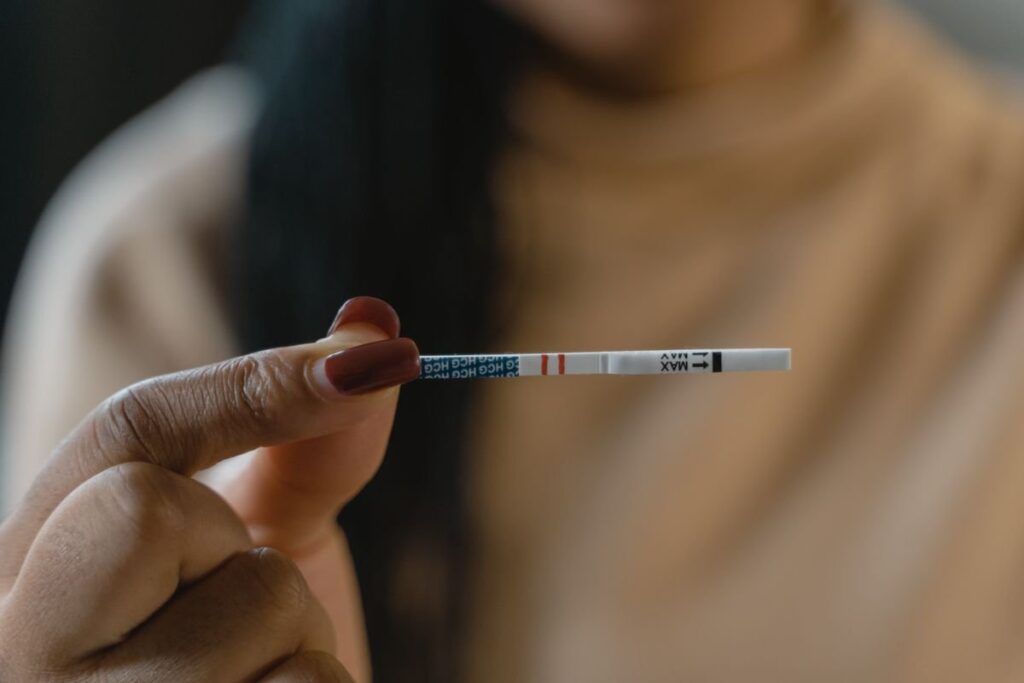
A small strip with a narrow job
Ovulation predictor kits, or OPKs, are sold in almost every pharmacy in Malaysia now, often right next to pregnancy tests. They look nearly identical, they are used the same way, and a lot of people find the results confusing for the first two or three months. Two lines one day, two fainter lines the next, then a strong positive four days in a row. What is going on?
The short answer is that an OPK answers one question only: is a hormone called LH rising in your urine right now? Everything else, including whether you will conceive this month, sits outside what the strip can tell you.
What the test is measuring
Luteinising hormone is always present in small amounts. Shortly before an egg is released, the body produces a sharp burst of it, called the LH surge. According to the US National Library of Medicine, a positive home ovulation test usually means ovulation should follow within 24 to 36 hours, though that is not true for every woman.
That timing matters because the egg does not last long. Cleveland Clinic’s explainer on how ovulation works and how long an egg survives puts it at roughly 12 to 24 hours, while sperm can survive a few days. So the fertile stretch begins before the positive line appears, not after it.
When to start, and what time of day
Begin testing a few days before you expect to ovulate. For a 28 day cycle that tends to mean around day 10 or 11, counting the first day of bleeding as day one. Longer cycles push the start later, and if your cycles vary a lot, you may need to test for more days to avoid missing the surge entirely.
Time of day is where advice honestly differs. Some clinical sources suggest morning urine, others recommend testing between late morning and early evening because LH takes time to show up in urine after it rises in the blood. Malay-language guides, including this walkthrough on how and when to use an OPK, often suggest the evening. The leaflet in your kit should be the tiebreaker. What matters more is testing at about the same time each day and not drinking a large amount of water in the two hours before.
Reading the lines, including the confusing ones
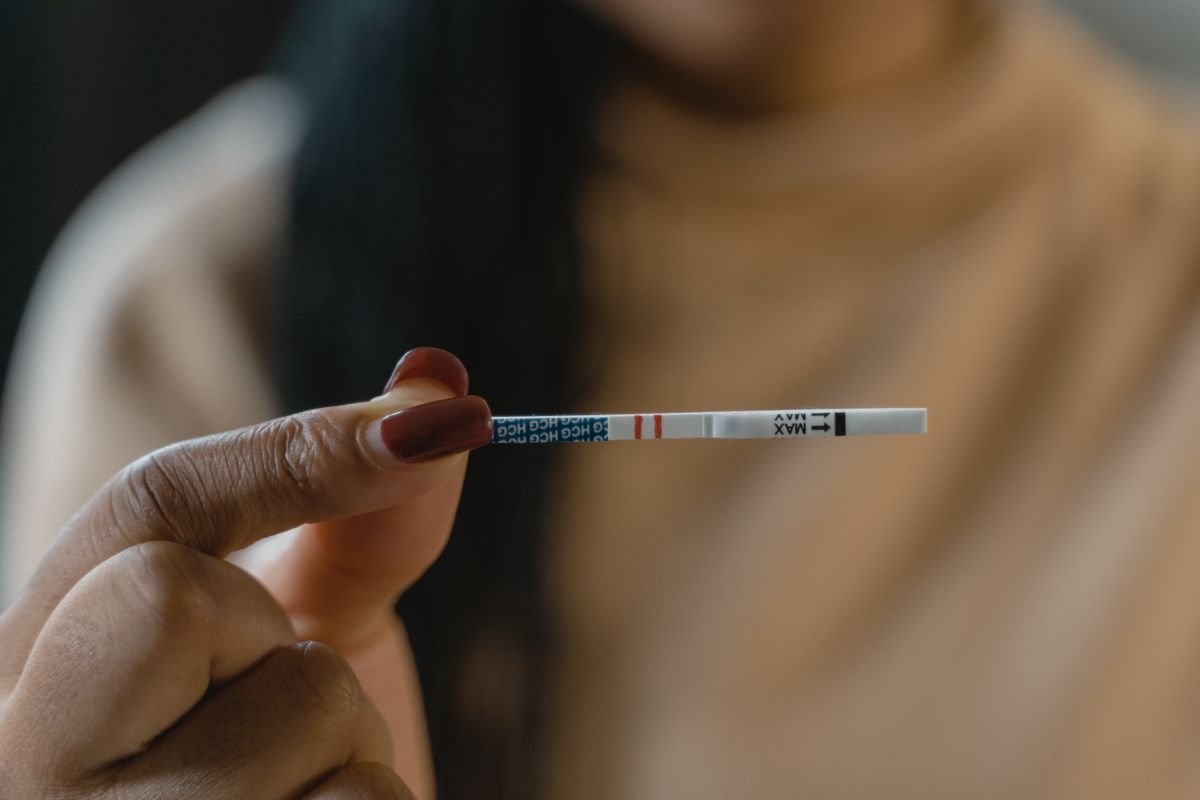
On most strip tests, a positive means the test line is as dark as the control line, or darker. A faint test line is common and usually just means some LH is present at a normal background level. It is not a “slightly positive” result.
A few patterns come up a lot:
- No clear positive all month. The surge may have been short and fallen between tests, or the cycle may not have included ovulation. One month like this is not unusual.
- Positive for several days in a row. Some women, including many with PCOS, have higher baseline LH, which can make strips read positive more often. In that case the strips say little about timing, so bring the pattern up at your next appointment.
- A positive close to your expected period. LH and hCG are similar molecules, and some OPKs react to both. A late positive is a reason to take a proper pregnancy test, not proof of anything by itself.
A gynaecologist explains when to test and how to read the result (English, about 8 minutes).
Your cycle length changes the plan
An OPK works best alongside a simple record of your cycle. Write down the first day of each period for three or four months, then work out the gap between them. If the number swings widely, say 24 days one month and 38 the next, you will need more strips per cycle, and it may be worth reading up on what counts as a normal cycle length and when irregular periods need a check.
It also helps to notice other signs that tend to line up with the surge, such as clearer, stretchier cervical mucus. When the strip and your body agree, you can be more confident about the timing.
When to put the kit down and see a doctor
A kit can help with timing. It cannot diagnose why pregnancy is not happening. The American College of Obstetricians and Gynecologists suggests an infertility evaluation after a year of trying, or after six months for women over 35, and a conversation right away for those over 40. Very irregular cycles, no positive at all over several months, or painful periods are good reasons to go sooner, whether at a klinik kesihatan or a private O&G.
General lifestyle advice, like the kind collected in Efferty Mama’s tips for couples trying to conceive, can sit alongside medical care but should never replace it. If you try anything this month, try one thing: test at the same time every day for the whole window, and write the results down. A clean record is the most useful thing you can bring to your first appointment.