
When trying for a baby takes longer than expected
Couples often assume that if pregnancy is slow to happen, the answer lies with the woman. That assumption delays things. Fertility problems sit with the male partner, the female partner, both, or neither in a way anyone can find, and men are frequently the last to get checked even though their first test is the simplest. This guide covers what male infertility actually means, what a basic assessment involves, and where traditional Chinese medicine and acupuncture fit for couples in Malaysia who are curious about them.
What counts as infertility, and how often men are involved
The World Health Organization’s infertility fact sheet defines infertility as not achieving a pregnancy after 12 months or more of regular unprotected sex. On the male side, it lists the usual culprits: problems with ejaculation, low or absent sperm, and sperm with an abnormal shape or poor movement. Many couples are told to wait a full year before seeking help, but if the woman is over 35, cycles are irregular, or either partner has a known health issue, an earlier conversation is sensible.
Male factor problems rarely announce themselves. Most men with a low sperm count feel completely well. Occasional clues include a history of undescended testes, past groin surgery, mumps after puberty, a swollen or aching scrotum, or changes in sex drive and erections. Often there are no clues at all, which is why testing beats guessing. For a sense of how a TCM practice frames these problems, a TCM clinic’s page on male fertility support lists the types and symptoms it commonly sees.
The semen analysis, explained without the awkwardness
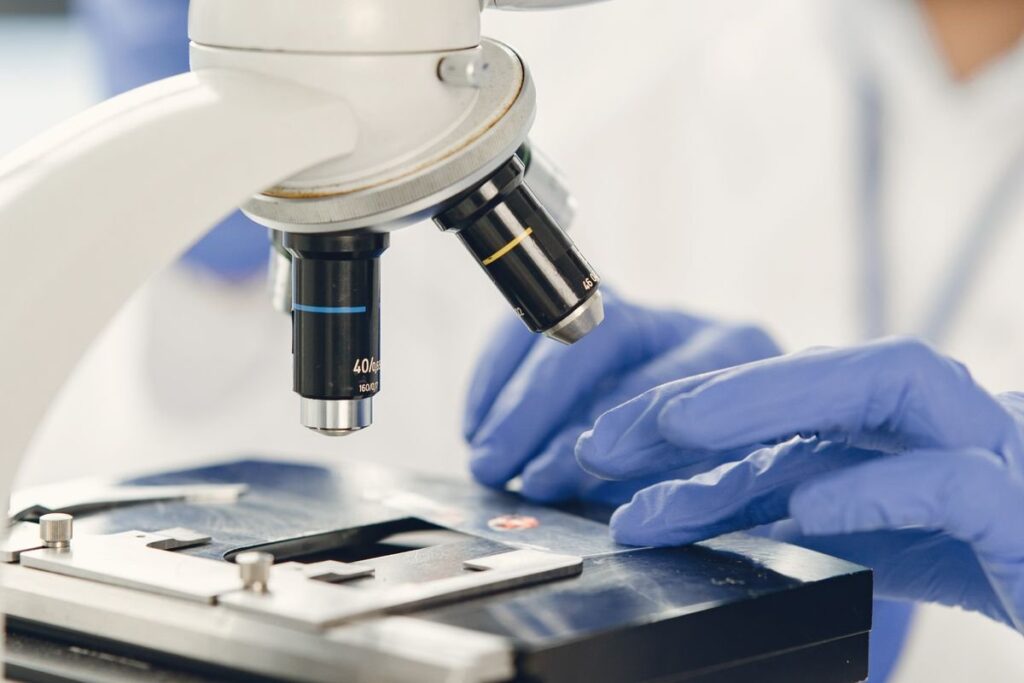
The first step for most men is a semen analysis. A lab looks at volume, sperm count, how many sperm are moving and how well, and what proportion have a typical shape. Clinics usually ask for two to seven days without ejaculation beforehand, and a second sample a few weeks later is common, because results vary from one sample to the next.
Daily habits can move those results more than most men assume. The NHS page on the causes of infertility names poor-quality semen as a common cause in men and also mentions a link between a warmer scrotum and lower semen quality. Smoking, heavy drinking, some medicines and anabolic steroids are other factors doctors will ask about. Sperm take roughly three months to develop, so any change you make takes a while to show up in a repeat test.
Under three minutes from the American Society for Reproductive Medicine’s ReproductiveFacts channel on common causes of male infertility, including varicocele, hormones and heat.
Where traditional Chinese medicine comes in
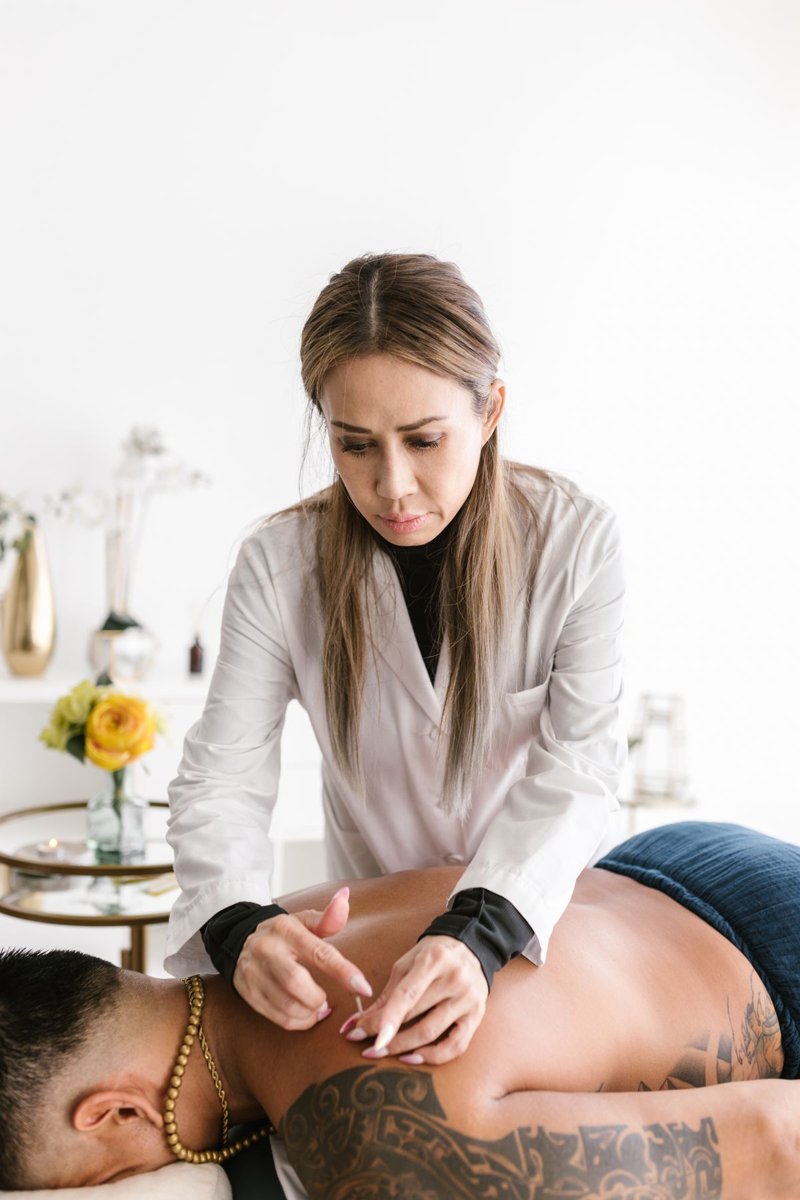
Traditional Chinese medicine is widely used in Malaysia, and many couples combine it with mainstream fertility care. Practitioners typically work from pattern diagnosis, then use herbal formulas, acupuncture and lifestyle advice. Clinics such as Xi Fertility describe working alongside fertility treatment rather than replacing it, and that framing is the one worth looking for.
It helps to be clear-eyed about evidence. The US National Center for Complementary and Integrative Health summary on acupuncture reports that a 2021 review found no difference in pregnancy or live birth rates between real and sham acupuncture alongside IVF. The same page notes that relatively few complications have been reported, and that the problems seen have come from non-sterile needles or poorly delivered treatment. Some people still value the sessions for relaxation and routine during a stressful period, which is a reasonable reason as long as expectations are realistic.
Using complementary care sensibly
If you are considering acupuncture or herbs, tell your doctor, especially once IVF or hormone treatment begins, since some herbs can interact with medicines. Check that the practitioner is registered with Malaysia’s Traditional and Complementary Medicine Council, and ask how the plan fits around your medical appointments. For those curious about timing, notes on acupuncture around conception and pregnancy explain when sessions are usually scheduled.
The most practical step is often the least glamorous one. Book a semen analysis early, go through the results together as a couple, and decide on next steps with a doctor who can explain them. Complementary care can sit beside that plan. It should not stand in for it, and no single approach can promise a pregnancy.