
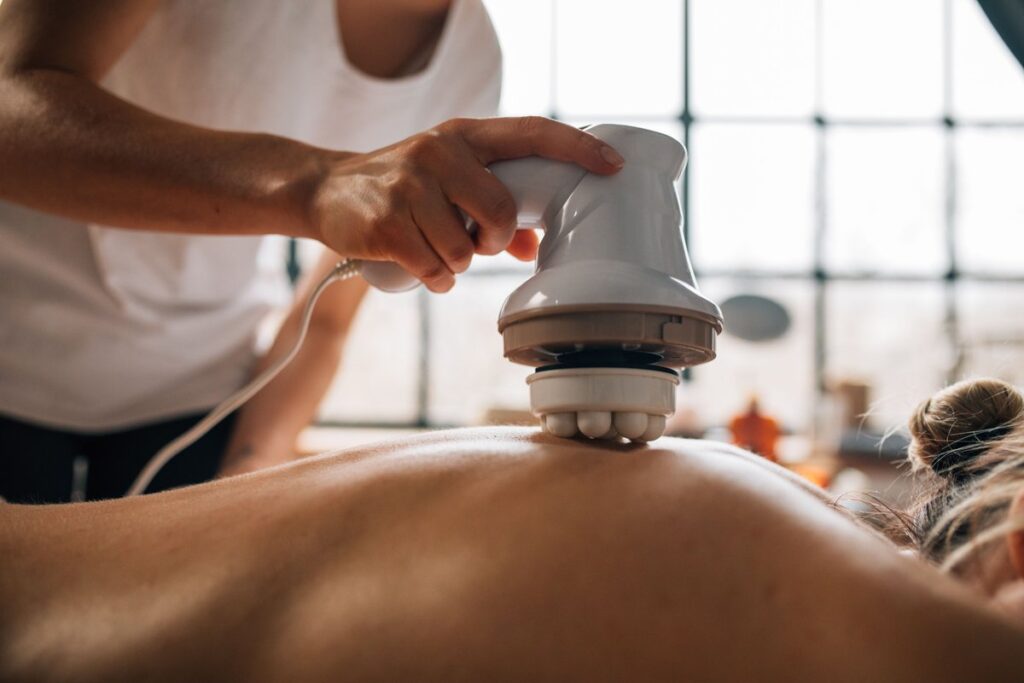
Massage gear promises relief; your desk setup often decides whether it lasts
Massage chairs, pillows and neck devices sell a simple story: tense day, short session, looser shoulders. Sometimes that story is true enough for evening wind-down. It fails when the same hunched posture returns for nine hours at a laptop the next morning. Home massage products are recovery tools, not a redesign of how you sit.
If you are comparing a side-by-side look at powered recliner units, start with fit and noise rather than the longest feature list. A chair that does not match your torso length will spend most of its time kneading the wrong spots. Neighbours and housemates also care about motor volume more than brochure adjectives do.
MedlinePlus guidance on posture is a reminder that shoulders, neck and lower back share a chain. A warm massage can feel wonderful and still leave the underlying workstation problem untouched.
Think in weeks, not minutes, when you judge results. A device that feels dramatic on day one can feel ordinary once novelty fades. What remains useful is whether it helps you sleep, whether it aggravates any old injury, and whether you still have energy to stretch or walk afterwards.
What chair specs actually change the feel
Roller type, track length, airbag zones and zero-gravity recline all change sensation. 2D mechanisms move mainly up and down the back; deeper 3D or 4D styles add in-out pressure and more complex rhythms. None of those labels replace sitting in the chair for a full demo cycle if a showroom exists near you.
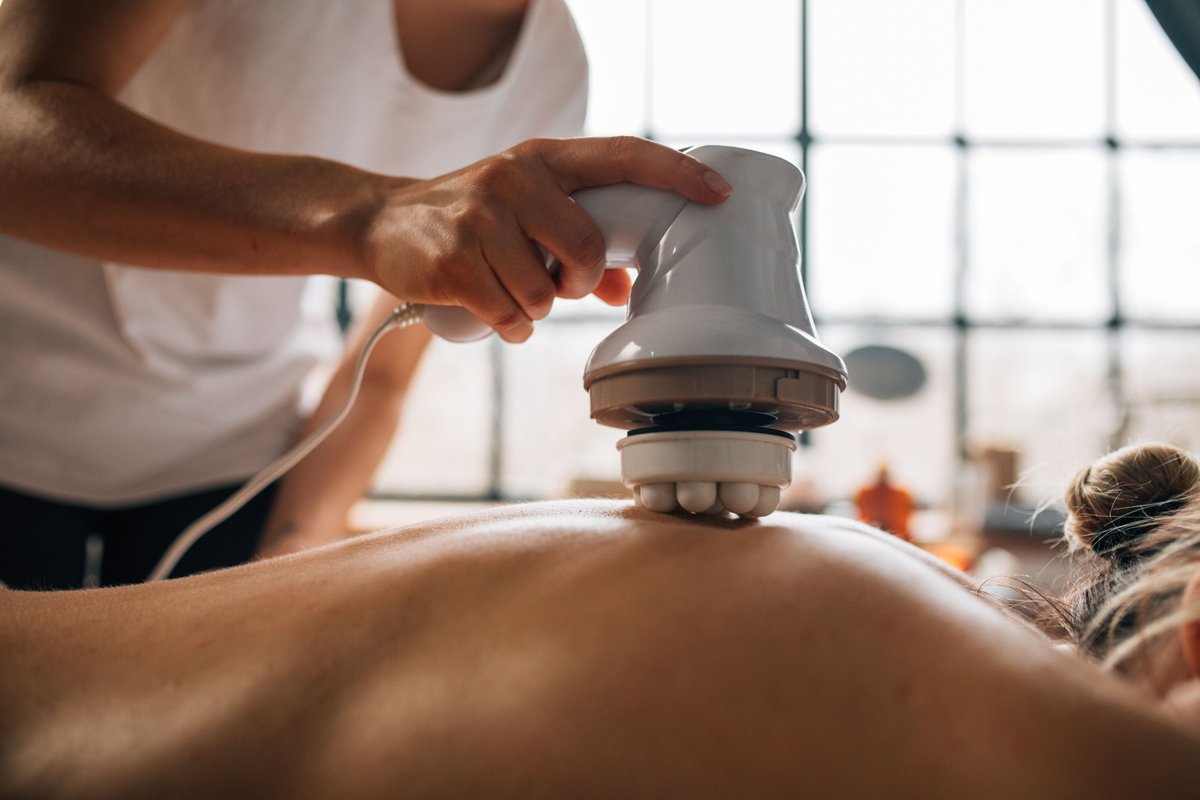
Check maximum user height and weight, whether the footrest extends, and how much wall clearance the recline needs. Delivery through a typical Malaysian condo corridor is a logistics question, not a footnote. Ask about warranty on rollers versus upholstery; they rarely age at the same rate.
An ergonomics walkthrough of chair height, seat depth and lumbar support before you add any massage gadget.
Pillows and neck devices are smaller bets with their own limits
Not every tense evening needs a full chair. Smaller options such as cushion-style vibrating rest pads for travel and portable collar-style relief gadgets travel better and cost less, yet they concentrate force on a smaller area. That can feel intense on bony shoulders or after a recent injury.

Heat functions soothe many users and irritate others. Start on lower intensity, keep sessions short at first, and stop if numbness, sharp pain or dizziness appears. People with pacemakers, certain vascular conditions or recent surgery should ask a clinician before using powered massage devices at all.
Ergonomics still does more work than any motor
NHS sitting-exercise ideas and NIOSH ergonomics resources both push the unglamorous basics: screen height, elbow angle, breaks, and moving during the day. A massage session after work pairs better with those habits than it does with another four hours of sofa scrolling in the same rounded posture.
If neck pain keeps returning in the same spot, treat that as information for a proper assessment rather than a reason to buy a stronger motor. Devices can coexist with physiotherapy; they should not replace it when symptoms escalate.
Keep receipts and serial numbers in one folder with the warranty card. Firmware or remote replacements are awkward to claim without them, and condo movers have been known to scuff armrests that later fall into a grey area between delivery damage and normal wear.
Power and placement deserve a quiet check too. Some chairs need a dedicated wall outlet without a flimsy extension cord, and recline clearance can surprise owners who parked the unit flush against a curtain track. Measure twice, especially in smaller Malaysian bedrooms where the chair becomes the largest object in the room after the bed.
If you share the home, agree on evening quiet hours. A late percussion programme can travel through floors more than you expect. Courtesy is part of whether the purchase still feels like a good idea a month later.
A practical buying filter
Decide whether you need whole-back programmes or a portable spot tool. Measure the room and the doorway. Demo if you can. Read warranty exclusions. Then fix the chair height and monitor stand before you unwrap anything that kneads. Relief sticks better when the next workday is kinder to your neck.