

What a full medical check-up usually includes
A full medical check-up typically combines history, physical examination, blood pressure, body measurements, and a panel of blood and urine tests. Many packages add chest X-ray, ECG, and ultrasound options depending on age and risk. The point is early detection and baseline tracking, not a guarantee that nothing will ever develop later. When comparing a health screening package, read which tests are included, which are add-ons, and how results are explained afterward.

Malaysia’s Ministry of Health publishes public guidance on screening and noncommunicable disease prevention. The US Preventive Services Task Force summarises evidence-based screening intervals for adults. WHO materials on health checks explain population-level ideas without replacing individual clinical judgment. Those named sources help you ask why a test is offered, not only how many tests sit in a brochure.
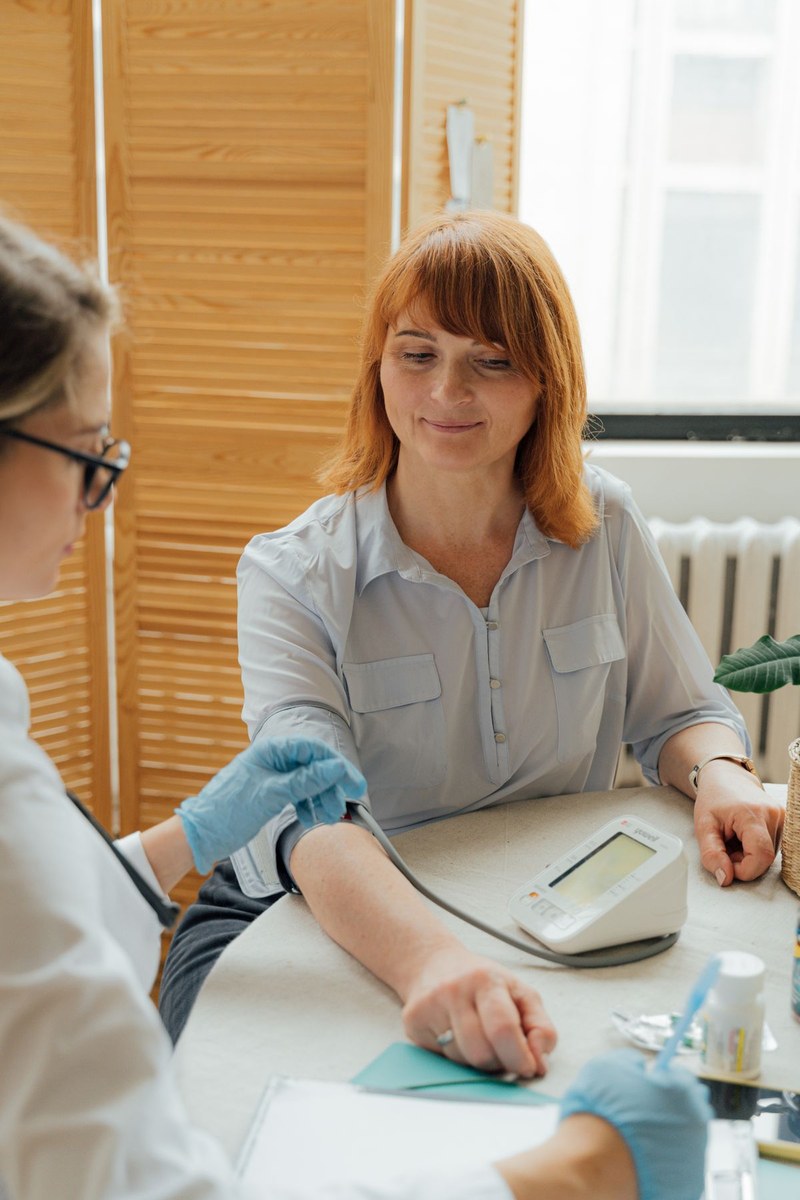
Fasting instructions, medication timing, and menstrual cycle timing for some hormone tests all affect result quality. Arrive with a medication list and prior reports so the doctor is not starting from zero. Wear clothing that allows easy blood pressure cuff placement and ECG lead access when those tests are booked.
Age and risk factors that change package choice
A healthy twenty-five-year-old and a fifty-five-year-old with diabetes do not need identical panels. Smoking, family early heart disease, obesity, and occupational exposures change priorities. Women may need different reproductive and bone discussions; men may need different prostate conversations depending on age and guidelines. Ask which items are guideline-supported for your profile versus optional extras that raise cost without clear benefit.
If you already see a specialist for a known condition, bring that doctor’s latest letter so screening does not duplicate recent imaging without reason. Write your top three concerns before the visit so the consultation is not lost to brochure extras alone. Employers sometimes fund packages with fixed menus; still ask which items matter most for your personal risk list.
Paediatric screening when the visit is for a child
Children’s check-ups focus on growth charts, development milestones, vaccination status, vision and hearing cues, and age-appropriate labs when indicated. A paediatric pathway is not a shrunk adult package. Pages describing paediatrics Malaysia services help parents see how child visits are structured, including when fever, asthma, or developmental questions need same-week attention rather than a routine screen slot.
Bring the child’s immunisation record and a note of school or daycare illness patterns. Screening does not replace urgent care for breathing difficulty, lethargy, or dehydration. Ask which growth percentiles changed since the last visit and what follow-up interval is suggested for the next growth review.
Hand injury pathways that sit outside routine screens
Routine health screening rarely evaluates tendon injuries, nerve compression, or complex hand trauma. Those problems need targeted orthopaedic or hand surgery assessment, imaging, and sometimes microsurgical repair. Reading about hand and microsurgery clarifies that lacerations, crush injuries, and progressive numbness deserve specialty pathways rather than waiting for an annual package day.
If a workplace injury occurs, document time, mechanism, and first aid given. Delaying specialised review can change options for nerve or tendon recovery. Keep tetanus status updated when wounds are dirty. Do not assume a “normal” annual blood panel means a hand injury is medically trivial.
How to read results without panic or delay
Abnormal flags are not always diagnoses. Some values need fasting repeat, clinical correlation, or specialist referral. Ask for a written summary of what is urgent, what to recheck, and what lifestyle changes are suggested. Store results in one folder for year-to-year comparison. Do not ignore recommended follow-ups because the rest of the package looked “normal”. Equally, do not self-order advanced scans from anxiety alone without discussing pretest probability with a clinician. Bring questions about borderline values rather than guessing from search results at midnight. Share copies with your usual GP so care stays coordinated across visits.