International Trends That Can Impact Pizza Delivery Singapore

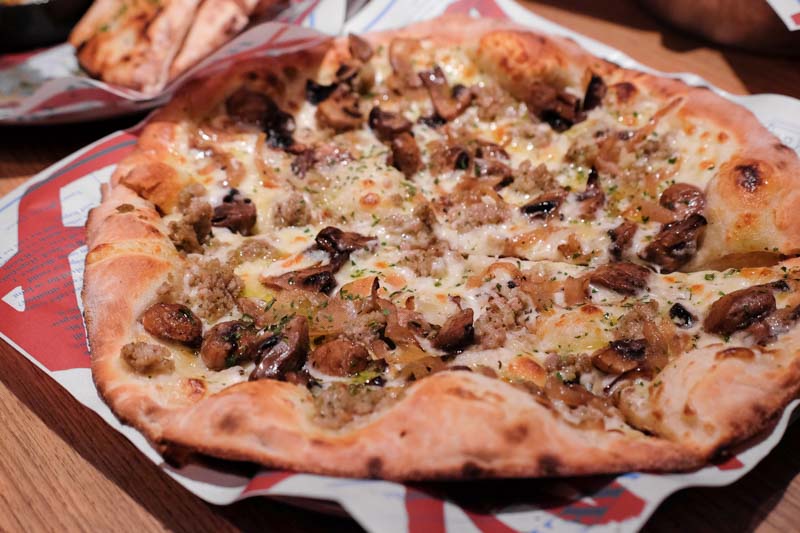
Online order pizza is one of the most popular and craves-able fast food for most people. The sheer amount of variety and options it can offer are just incredible. In the foodservice landscape of pizza home delivery, you can really find that pizza chains are continuing to adapt to the latest technology. From takeout and delivery, change of business model from eating in only to takeaway. Technology innovation and the sizeable sharable option has made the staple food of Italy to become a convenient and reliable choice, note on pizza near me.

best fast food singapore

Pizza is most suitable when you have off-premises occasions and groups together, with delivery food near me. Consumers will find most of the top pizza brand Singapore now making much effort to stand out in the increasingly crowded category, with takeaway pizza near me.

Especially international pizza chain where they need to execute effective branding that allows concepts to be set apart from other competitors. Have you really wonder who the great guy that put toppings on flatbread and consume it is? Here are some trends in the pepperoni pizza industry around the globe.

Before anything else, did you know there is an international event catered just for pizza-making experts and enthusiasts every year, with Singapore food delivery for pizza? The event International Pizza Expo gathered lovers from the restaurant industry every year to showcase some of the innovative things and ingredients such as top-grade flour and the best pizza in SG.

fast food in singapore

Some of The Key Trend in Pizza Consumption

As consumers preference over pizza are changing with online order fast food, there is more demand changing in the foundation of pizza. For instance, the pizza base is changing for the new flour choices. More grains are used to provide a unique texture to crust. Authenticity has always been the most important factors when it comes to consuming pizza. Almost half of the population desire authentic pizza offerings. Which traditional means the Neapolitan-style pizza to them.

The real authentic can be defined by using the 00 flour that flies from Italy, which is quite costly. AS the flour requires wheat grown and milled in North America. It can provide the same crispy yet soft and subtle dough as the traditional flour. People that chase for authenticity on their pie just want some San Marzano tomato sauce, fresh hand-pulled mozzarella and basil top on the Ardents Mills Primo pizza flour.

fast food restaurants in singapore

Authenticity and Healthy at Same Time

Next, the transparency in nutrition and the value facts are also a growing trend with pizza consumers. As simple recipes are more favourable because consumers find the healthier ingredients are more rustic. Nonetheless, the quality of pizza can also be levelled above with artisanal ingredients. Pizza consumers now cared a lot about how many per cent or gram of fat they are getting, the oil and salt ratio on the food. And also the source of ingredients.

As the internet makes food consumer nowadays more concern about the source of the ingredients. For instance, some may want components that have achieved standards such as GMO-free, Trans fat-free or organic.

Limited-Edition Pizza

Follow by that, there is also an increase in the celebration type of pizza. As seasonality and food holidays offer more ways to create festive eating occasions. The themed and seasonal offer of pizzas can capture some the celebratory spirit and serve well as limited-time-only / special edition. Research shows 80% of consumers with their local pizzerias would offer more premium, innovative toppings.

International Trends That Can Impact Pizza Delivery Singapore Read More Âŧ

āļ‚āđ‰āļ­āļ„āļ§āļĢāļĢāļđāđ‰āļāđˆāļ­āļ™āļāļēāļĢāļ•āļąāļ”āļŠāļīāļ™āđƒāļˆāļ‹āļ·āđ‰āļ­āđāļžāļ„āđ€āļāļˆāđāļ•āđˆāļ‡āļ‡āļēāļ™āļĢāļīāļĄāļ—āļ°āđ€āļĨāļžāļąāļ—āļĒāļē

āļŦāļēāļāļˆāļ°āļžāļđāļ”āļ–āļķāļ‡āļŠāļ–āļēāļ™āļ—āļĩāđˆāļ‚āļ­āđāļ•āđˆāļ‡āļ‡āļēāļ™āļŠāļļāļ”āđ‚āļĢāđāļĄāļ™āļ•āļīāļāļ—āļĩāđˆāļŠāļēāļ§ āđ† āļŦāļĨāļēāļĒ āđ† āļ„āļ™āđāļ­āļšāļāļąāļ™āđ„āļ§āđ‰ āļ„āļģāļ•āļ­āļšāļ­āļąāļ™āļ”āļąāļšāļ•āđ‰āļ™ āđ† āļ„āļ‡āļˆāļ°āļŦāļ™āļĩāđ„āļĄāđˆāļžāđ‰āļ™āļāļēāļĢāļˆāļąāļ”āļ‡āļēāļ™āđāļ•āđˆāļ‡āļ‡āļēāļ™ āļ“ āđ‚āļĢāļ‡āđāļĢāļĄ 5 āļ”āļēāļ§āļžāļąāļ—āļĒāļēāļ­āļĒāđˆāļēāļ‡āđāļ™āđˆ āđ† āđ€āļžāļĢāļēāļ°āļ™āļ­āļāļˆāļēāļāļžāļąāļ—āļĒāļēāļ™āļąāđ‰āļ™āļˆāļ°āđ€āļ›āđ‡āļ™āđ€āļĄāļ·āļ­āļ‡āļ•āļēāļāļ­āļēāļāļēāļĻāļ—āļĩāđˆāļĄāļĩāļŠāļ–āļēāļ™āļ—āļĩāđˆāļ—āđˆāļ­āļ‡āđ€āļ—āļĩāđˆāļĒāļ§āļ—āļĩāđˆāļĄāļĩāļŠāļ·āđˆāļ­āđ€āļŠāļĩāļĒāļ‡āđāļĨāļ°āļ„āļ§āļēāļĄāļŠāļ§āļĒāļ‡āļēāļĄāļ‚āļ­āļ‡āļ˜āļĢāļĢāļĄāļŠāļēāļ•āļīāļĢāļ°āļ”āļąāļšāđ‚āļĨāļāļ”āđ‰āļ§āļĒāđāļĨāđ‰āļ§ āļžāļąāļ—āļĒāļēāļ™āļąāđ‰āļ™āļĒāļąāļ‡āđ€āļĢāļĩāļĒāļāđ„āļ”āđ‰āļ§āđˆāļēāļĄāļĩāđ‚āļĢāļ‡āđāļĢāļĄāļŦāļĢāļđāļžāļąāļ—āļĒāļēāļ—āļĩāđˆāļĄāļēāļžāļĢāđ‰āļ­āļĄāļāļąāļšāđāļžāđ‡āļ„āđ€āļāļˆāđāļ•āđˆāļ‡āļ‡āļēāļ™āļžāļąāļ—āļĒāļēāđāļšāļšāļ„āļĢāļšāļ„āļĢāļąāļ™ āđ€āļĢāļĩāļĒāļāđ„āļ”āđ‰āļ§āđˆāļēāļ„āļļāļ“āđāļ—āļšāļˆāļ°āđ„āļĄāđˆāļ•āđ‰āļ­āļ‡āđ€āļŦāļ™āļ·āđˆāļ­āļĒāđƒāļ™āļāļēāļĢāļˆāļąāļ”āđ€āļ•āļĢāļĩāļĒāļĄāļŠāļ–āļēāļ™āļ—āļĩāđˆāļŦāļĢāļ·āļ­āđ€āļ•āļĢāļĩāļĒāļĄāļ„āļ§āļēāļĄāļžāļĢāđ‰āļ­āļĄāļ­āļ°āđ„āļĢāļ­āļĩāļāđ€āļĨāļĒ āļ™āļ­āļāļˆāļēāļāđ€āļ•āļĢāļĩāļĒāļĄāļ•āļąāļ§āđ€āļ­āļ‡āļĄāļēāđƒāļŦāđ‰āļžāļĢāđ‰āļ­āļĄāđ€āļ—āđˆāļēāļ™āļąāđ‰āļ™ āļ­āļĩāļāļ—āļąāđ‰āļ‡āļ„āļļāļ“āļĒāļąāļ‡āđ„āļ”āđ‰āđ€āļāđ‡āļšāļ āļēāļžāļ„āļ§āļēāļĄāļ›āļĢāļ°āļ—āļąāļšāđƒāļˆāļ‚āļ­āļ‡āļ§āļąāļ™āļŠāļģāļ„āļąāļāļ‚āļ­āļ‡āļ„āļļāļ“āđ‚āļ”āļĒāļĄāļĩāļŠāļēāļĒāļŦāļēāļ”āļ—āļ°āđ€āļĨāļžāļąāļ—āļĒāļēāļ—āļĩāđˆāļĢāđˆāļ§āļĄāđ€āļ›āđ‡āļ™āļŠāļąāļāļ‚āļĩāļžāļĒāļēāļ™āļ„āļ§āļēāļĄāļĢāļąāļ āļ—āļ°āđ€āļĨāļ—āļĩāđˆāđ„āļ”āđ‰āļŠāļ·āđˆāļ­āļ§āđˆāļēāđ€āļ›āđ‡āļ™āļ—āļ°āđ€āļĨāļ—āļĩāđˆāđāļŠāļ™āļŠāļ§āļĒāļ‡āļēāļĄāđāļĨāļ°āļ—āļģāđƒāļŦāđ‰āļ™āļąāļāļ—āđˆāļ­āļ‡āđ€āļ—āļĩāđˆāļĒāļ§āļ•āđˆāļēāļ‡āļŠāļēāļ•āļīāļ™āļąāļšāļĨāđ‰āļēāļ™ āļ•āđˆāļēāļ‡āļāđ‡āļ­āļĒāļēāļāļˆāļ°āđ€āļ”āļīāļ™āļ—āļēāļ‡āļĄāļēāļŠāļ·āđˆāļ™āļŠāļĄāļ„āļ§āļēāļĄāļŠāļ§āļĒāļ‡āļēāļĄāļ‚āļ­āļ‡āļ—āļ°āđ€āļĨāļžāļąāļ—āļĒāļēāđāļŦāđˆāļ‡āļ™āļĩāđ‰āļ­āļĒāđˆāļēāļ‡āļŦāļ™āļēāđāļ™āđˆāļ™āļ—āļļāļāļ›āļĩ

āđ‚āļĢāļ‡āđāļĢāļĄ 5 āļ”āļēāļ§ āļžāļąāļ—āļĒāļē

āđ€āļāļĢāđ‡āļ”āļ‚āđ‰āļ­āļ„āļ§āļĢāļĢāļđāđ‰āļāđˆāļ­āļ™āļāļēāļĢāļ•āļąāļ”āļŠāļīāļ™āđƒāļˆāļ‹āļ·āđ‰āļ­āđāļžāļ„āđ€āļāļˆāđāļ•āđˆāļ‡āļ‡āļēāļ™āļĢāļīāļĄāļ—āļ°āđ€āļĨāļžāļąāļ—āļĒāļē

āļŦāļēāļāļ„āļļāļ“āļāļģāļĨāļąāļ‡āļĄāļ­āļ‡āļŦāļēāđāļžāđ‡āļ„āđ€āļāļˆāđāļ•āđˆāļ‡āļ‡āļēāļ™āļĢāļīāļĄāļ—āļ°āđ€āļĨāļžāļąāļ—āļĒāļēāļ­āļĒāļđāđˆāļĨāļ°āļāđ‡ āđ€āļĢāļēāļĄāļĩāđ€āļāļĢāđ‡āļ”āļ‚āđ‰āļ­āļ„āļ§āļĢāļĢāļđāđ‰āļāđˆāļ­āļ™āļāļēāļĢāļ•āļąāļ”āļŠāļīāļ™āđƒāļˆāļ‹āļ·āđ‰āļ­āđāļžāļ„āđ€āļāļˆāđāļ•āđˆāļ‡āļ‡āļēāļ™āļĢāļīāļĄāļ—āļ°āđ€āļĨāļžāļąāļ—āļĒāļēāļĄāļēāļāļēāļ āļˆāļ°āļĄāļĩāļ­āļ°āđ„āļĢāļ—āļĩāđˆāļ„āļļāļ“āļ•āđ‰āļ­āļ‡āđ€āļĨāļ·āļ­āļāļžāļīāļˆāļēāļĢāļ“āļēāļšāđ‰āļēāļ‡ āđ„āļ›āļ”āļđāļāļąāļ™āđ€āļĨāļĒ!

  • āļŠāļ–āļēāļ™āļ—āļĩāđˆāļˆāļąāļ”āļ‡āļēāļ™āđāļ•āđˆāļ‡āļ‡āļēāļ™āļžāļąāļ—āļĒāļē āļŦāļ™āļķāđˆāļ‡āđƒāļ™āļ‚āđ‰āļ­āļ„āļ§āļĢāļžāļīāļˆāļēāļĢāļ“āļēāļ­āļąāļ™āļ”āļąāļšāđāļĢāļāļ—āļĩāđˆāļ„āļđāđˆāļšāđˆāļēāļ§āļŠāļēāļ§āļ„āļ§āļĢāļ•āđ‰āļ­āļ‡āđƒāļŦāđ‰āļ„āļ§āļēāļĄāļŠāļģāļ„āļąāļāļ—āļĩāđˆāļŠāļļāļ” āđ€āļžāļĢāļēāļ°āļ–āđ‰āļēāļŦāļēāļāļ„āļļāļ“āđ€āļĨāļ·āļ­āļāļŠāļ–āļēāļ™āļ—āļĩāđˆāđāļ•āđˆāļ‡āļ‡āļēāļ™āļ—āļĩāđˆāđ„āļĄāđˆāđ€āļŦāļĄāļēāļ°āļŠāļĄāļāļąāļšāļ›āļĢāļīāļĄāļēāļ“āļ‚āļ­āļ‡āđāļ‚āļāļ—āļĩāđˆāļˆāļ°āđ€āļ”āļīāļ™āļ—āļēāļ‡āļĄāļē āļŦāļĢāļ·āļ­āļŠāļ–āļēāļ™āļ—āļĩāđˆāļ•āļąāđ‰āļ‡āļ‚āļ­āļ‡āļŠāļ–āļēāļ™āļ—āļĩāđˆāđāļ•āđˆāļ‡āļ‡āļēāļ™āļ™āļąāđ‰āļ™āđ€āļ”āļīāļ™āļ—āļēāļ‡āđ„āļĄāđˆāļŠāļ°āļ”āļ§āļ āļāđ‡āļ­āļēāļˆāļˆāļ°āđ€āļ›āđ‡āļ™āđ€āļŦāļ•āļļāđƒāļŦāđ‰āđāļ‚āļāļ„āļ™āļŠāļģāļ„āļąāļāļ‚āļ­āļ‡āļ„āļļāļ“āļ­āļēāļˆāļˆāļ°āđ„āļĄāđˆāļŠāļēāļĄāļēāļĢāļ–āđ€āļ”āļīāļ™āļ—āļēāļ‡āļĄāļēāļĢāđˆāļ§āļĄāđ€āļ›āđ‡āļ™āļŠāļąāļāļ‚āļĩāļžāļĒāļēāļ™āđƒāļ™āļ§āļąāļ™āļŠāļģāļ„āļąāļāļ‚āļ­āļ‡āļ„āļļāļ“āđ„āļ”āđ‰ āļ™āļ­āļāļˆāļēāļāļ™āļĩāđ‰āļ„āļļāļ“āļĒāļąāļ‡āļ•āđ‰āļ­āļ‡āļžāļīāļˆāļēāļĢāļ“āļēāļ‚āļ™āļēāļ”āļ‚āļ­āļ‡āļŠāļ–āļēāļ™āļ—āļĩāđˆ āļ§āđˆāļēāļĄāļĩāļāļēāļĢāđāļĒāļāļŠāļąāļ”āļŠāđˆāļ§āļ™āđāļĨāļ°āļĄāļĩāļžāļ·āđ‰āļ™āļ—āļĩāđˆāļĄāļēāļāđāļĨāļ°āđ€āļžāļĩāļĒāļ‡āļžāļ­āļŠāļģāļŦāļĢāļąāļšāļ‚āļ™āļēāļ”āļ‚āļ­āļ‡āļ‡āļēāļ™āđāļ•āđˆāļ‡āļ‡āļēāļ™āļ‚āļ­āļ‡āļ„āļļāļ“āļŦāļĢāļ·āļ­āđ„āļĄāđˆ?
āđ‚āļĢāļ‡āđāļĢāļĄ āļžāļąāļ—āļĒāļē 5 āļ”āļēāļ§
  • āļāļēāļĢāļšāļĢāļīāļāļēāļĢāđāļĨāļ°āļŠāļīāđˆāļ‡āļ­āļģāļ™āļ§āļĒāļ„āļ§āļēāļĄāļŠāļ°āļ”āļ§āļāļ āļēāļĒāđƒāļ™āļ‡āļēāļ™ āļ­āļēāļ—āļīāđ€āļŠāđˆāļ™ āļāļēāļĢāļ§āļēāļ‡āđāļœāļ™āļœāļąāļ‡āļ‚āļ­āļ‡āļ‡āļēāļ™āļĢāļ§āļĄāđ„āļ›āļ–āļķāļ‡āļāļēāļĢāđƒāļŦāđ‰āļšāļĢāļīāļāļēāļĢāļ­āļēāļŦāļēāļĢ āļ‹āļķāđˆāļ‡āđāļ™āđˆāļ™āļ­āļ™āđāļĨāđ‰āļ§āļ§āđˆāļēāļŠāļģāļŦāļĢāļąāļšāļ„āļđāđˆāļĢāļąāļāļŦāļĨāļēāļĒ āđ† āļ—āđˆāļēāļ™āļ—āļĩāđˆāđ„āļ”āđ‰āļ•āļąāļ”āļŠāļīāļ™āđƒāļˆāđ€āļĨāļ·āļ­āļāđāļžāđ‡āļ„āđ€āļāļˆāđāļ•āđˆāļ‡āļ‡āļēāļ™āļžāļąāļ—āļĒāļē āļāđ‡āļ„āļ‡āļˆāļ°āļŦāļ™āļĩāđ„āļĄāđˆāļžāđ‰āļ™āļāļąāļšāļšāļĢāļīāļāļēāļĢāļ­āļēāļŦāļēāļĢāļšāļļāļŸāđ€āļŸāđˆāļ•āđŒāļ‹āļĩāļŸāļđāđ‰āļ”āļžāļąāļ—āļĒāļē āļ‹āļķāđˆāļ‡āļ—āļĩāđˆāļžāļąāļ—āļĒāļēāļ™āļąāđ‰āļ™āļāđ‡āđ€āļĢāļĩāļĒāļāđ„āļ”āđ‰āļ§āđˆāļēāđ€āļ›āđ‡āļ™āļŠāļ§āļĢāļĢāļ„āđŒāļ‚āļ­āļ‡āļœāļđāđ‰āļ—āļĩāđˆāļŠāļ·āđˆāļ™āļŠāļ­āļšāļ­āļēāļŦāļēāļĢāļ—āļ°āđ€āļĨāļŦāļĢāļ·āļ­āļšāļļāļŸāđ€āļŸāđˆāļ•āđŒāļžāļąāļ—āļĒāļēāļ­āļĩāļāļ”āđ‰āļ§āļĒ āļ”āļąāļ‡āļ™āļąāđ‰āļ™āļāļēāļĢāđ€āļĨāļ·āļ­āļāļŠāļ–āļēāļ™āļ—āļĩāđˆāļˆāļąāļ”āļ‡āļēāļ™āđāļ•āđˆāļ‡āļ‡āļēāļ™āđƒāļ™āđ‚āļĢāļ‡āđāļĢāļĄ 5 āļ”āļēāļ§āļžāļąāļ—āļĒāļē āļ™āļąāđ‰āļ™āļāđ‡āļŠāđˆāļ§āļĒāļāļēāļĢāļąāļ™āļ•āļĩāđ„āļ”āđ‰āļ§āđˆāļē āđ€āļŦāļĨāđˆāļēāđ€āļĄāļ™āļđāļ­āļēāļŦāļēāļĢ āļšāļļāļŸāđ€āļŸāđˆāļ•āļ‹āļĩāļŸāļđāđ‰āļ”āļžāļąāļ—āļĒāļēāļ—āļĩāđˆāļ„āļļāļ“āđ„āļ”āđ‰āļ—āļģāļāļēāļĢāđ€āļĨāļ·āļ­āļāļŠāļģāļŦāļĢāļąāļšāļ‡āļēāļ™āđāļ•āđˆāļ‡āļ‡āļēāļ™āļ‚āļ­āļ‡āļ„āļļāļ“āļ™āļąāđ‰āļ™ āļˆāļ°āļœāđˆāļēāļ™āļāļēāļĢāļ›āļĢāļļāļ‡āļ­āļēāļŦāļēāļĢāđāļĨāļ°āļ„āļąāļ”āļ§āļąāļ•āļ–āļļāļ”āļīāļšāļ„āļļāļ“āļ āļēāļžāļˆāļēāļāđ€āļŠāļŸāļĢāļ°āļ”āļąāļšāđ‚āļĢāļ‡āđāļĢāļĄ 5 āļ”āļēāļ§āđ€āļŠāđˆāļ™āļāļąāļ™
āđ‚āļĢāļ‡āđāļĢāļĄ āļŦāļĢāļđ āļžāļąāļ—āļĒāļē

āļ™āļ­āļāđ€āļŦāļ™āļ·āļ­āđ„āļ›āļˆāļēāļāļ™āļĩāđ‰ āļāđˆāļ­āļ™āļāļēāļĢāļ•āļąāļ”āļŠāļīāļ™āđƒāļˆāļ—āļļāļāļ„āļĢāļąāđ‰āļ‡ āļ„āļļāļ“āļ„āļ§āļĢāļ—āļĩāđˆāļˆāļ°āļ­āđˆāļēāļ™āđ€āļ‡āļ·āđˆāļ­āļ™āđ„āļ‚āļŦāļĢāļ·āļ­āļŠāļąāļāļāļēāļāļēāļĢāđ€āļŠāđˆāļēāļŠāļ–āļēāļ™āļ—āļĩāđˆāļŦāļĢāļ·āļ­āđ‚āļĢāļ‡āđāļĢāļĄāļ™āļąāđ‰āļ™āđƒāļŦāđ‰āļ„āļĢāļšāļ–āđ‰āļ§āļ™āđ€āļŠāļĩāļĒāļāđˆāļ­āļ™ āļĢāļ§āļĄāđ„āļ›āļ–āļķāļ‡āļ„āđˆāļēāđƒāļŠāđ‰āļˆāđˆāļēāļĒ āļ„āđˆāļēāļĄāļąāļ”āļˆāļģ āļŦāļĢāļ·āļ­āļ„āđˆāļēāļˆāļīāļ›āļēāļ–āļ°āļ­āļ·āđˆāļ™ āđ† āđ€āļžāļ·āđˆāļ­āđ€āļ›āđ‡āļ™āļāļēāļĢāļ›āđ‰āļ­āļ‡āļāļąāļ™āļāļēāļĢāđ€āļĢāļĩāļĒāļāđ€āļāđ‡āļšāļ„āđˆāļēāđƒāļŠāđ‰āļˆāđˆāļēāļĒāļĒāđ‰āļ­āļ™āļŦāļĨāļąāļ‡āđāļĨāļ°āļ—āļģāđƒāļŦāđ‰āļ‡āļšāļ‚āļ­āļ‡āļ‡āļēāļ™āđāļ•āđˆāļ‡āļ‡āļēāļ™āļ‚āļ­āļ‡āļ„āļļāļ“āļ™āļąāđ‰āļ™āļšāļēāļ™āļ›āļĨāļēāļĒāļāļ§āđˆāļēāļ—āļĩāđˆāļ•āļąāđ‰āļ‡āđ„āļ§āđ‰

āļ‚āđ‰āļ­āļ„āļ§āļĢāļĢāļđāđ‰āļāđˆāļ­āļ™āļāļēāļĢāļ•āļąāļ”āļŠāļīāļ™āđƒāļˆāļ‹āļ·āđ‰āļ­āđāļžāļ„āđ€āļāļˆāđāļ•āđˆāļ‡āļ‡āļēāļ™āļĢāļīāļĄāļ—āļ°āđ€āļĨāļžāļąāļ—āļĒāļē Read More Âŧ

āļžāļąāļāļœāđˆāļ­āļ™āļŦāļĒāđˆāļ­āļ™āđƒāļˆāļ„āļĢāļ­āļšāļ„āļĢāļąāļ§ āļžāļĢāđ‰āļ­āļĄāđāļŦāļĨāđˆāļ‡āđ€āļŠāļžāļĒāđŒāļ‡āļēāļ™āļĻāļīāļĨāļ›āđŒāđƒāļ™āđ€āļŠāļĩāļĒāļ‡āđƒāļŦāļĄāđˆāļ—āļĩāđˆāļ„āļļāļ“āđ„āļĄāđˆāļ„āļ§āļĢāļžāļĨāļēāļ”

āļˆāļ­āļ‡āļ—āļĩāđˆāļžāļąāļāđ€āļŠāļĩāļĒāļ‡āđƒāļŦāļĄāđˆāđāļšāļšāļ„āļĢāļ­āļšāļ„āļĢāļąāļ§ āļžāļĢāđ‰āļ­āļĄāļāļīāļˆāļāļĢāļĢāļĄāļ—āļĩāđˆāđ€āļŦāļĄāļēāļ°āļŠāļģāļŦāļĢāļąāļšāļĨāļđāļ āđ† āļ§āļąāļĒāđ€āļĢāļĩāļĒāļ™āļĢāļđāđ‰

āļŦāļēāļāđƒāļ„āļĢāļāļģāļĨāļąāļ‡āļĄāļ­āļ‡āļŦāļēāļ—āļĩāđˆāļžāļąāļāļœāđˆāļ­āļ™āļŦāļĒāđˆāļ­āļ™āđƒāļˆāļ—āļĩāđˆāđ€āļŦāļĄāļēāļ°āļŠāļģāļŦāļĢāļąāļšāļ„āļĢāļ­āļšāļ„āļĢāļąāļ§āđƒāļ™āļŠāđˆāļ§āļ‡āđ€āļ§āļĨāļēāļ§āļąāļ™āļŦāļĒāļļāļ”āđ€āļŠāļēāļĢāđŒāļ­āļēāļ—āļīāļ•āļĒāđŒāļŦāļĢāļ·āļ­āļ§āļąāļ™āļŦāļĒāļļāļ”āļŠāļąāđ‰āļ™ āđ†  āļ—āļĩāđˆāļžāļąāļāļ„āļĢāļ­āļšāļ„āļĢāļąāļ§āđ€āļŠāļĩāļĒāļ‡āđƒāļŦāļĄāđˆāļ™āļąāđ‰āļ™āļāđ‡āđ€āļ›āđ‡āļ™āđ„āļ­āđ€āļ”āļĩāļĒāļ—āļĩāđˆāļ”āļĩāļŠāļģāļŦāļĢāļąāļšāļ„āļļāļ“āđ„āļĄāđˆāļ™āđ‰āļ­āļĒ āļĒāļīāđˆāļ‡āļ–āđ‰āļēāļ„āļļāļ“āļ™āļąāđ‰āļ™āđ„āļĄāđˆāļŠāļ­āļšāļāļēāļĢāļ­āļ­āļāđ„āļ›āļ—āđˆāļ­āļ‡āđ€āļ—āļĩāđˆāļĒāļ§āļĒāļąāļ‡āļŠāļ–āļēāļ™āļ—āļĩāđˆāļ—āđˆāļ­āļ‡āđ€āļ—āļĩāđˆāļĒāļ§āļ—āļĩāđˆāļĄāļĩāļ„āļ™āļžāļĨāļļāļāļžāļĨāđˆāļēāļ™āļĄāļēāļāļ™āļąāļ āļŠāļ·āđˆāļ™āļŠāļ­āļšāđƒāļ™āļāļēāļĢāđ€āļĢāļĩāļĒāļ™āļĢāļđāđ‰āđƒāļ™āļĻāļīāļĨāļ›āļ°āļ§āļąāļ’āļ™āļ˜āļĢāļĢāļĄ āļ›āļĢāļ°āđ€āļžāļ“āļĩāđāļĨāļ°āļ„āļ§āļēāļĄāđ€āļ›āđ‡āļ™āļ­āļĒāļđāđˆāļĄāļēāļāļāļ§āđˆāļē āļˆāļąāļ‡āļŦāļ§āļąāļ”āđ€āļŠāļĩāļĒāļ‡āđƒāļŦāļĄāđˆāļ™āļąāđ‰āļ™āļāđ‡āđ€āļĢāļĩāļĒāļāđ„āļ”āđ‰āļ§āđˆāļēāđ€āļ›āđ‡āļ™āļ­āļĩāļāļŦāļ™āļķāđˆāļ‡āļŠāļ–āļēāļ™āļ—āļĩāđˆ āđ† āļ•āļ­āļšāđ‚āļˆāļ—āļĒāđŒāļ‚āđ‰āļ­āļ™āļĩāđ‰āļ‚āļ­āļ‡āļ„āļļāļ“āđ„āļ”āđ‰āļ­āļĒāđˆāļēāļ‡āļ”āļĩ āđ„āļĄāđˆāļ§āđˆāļēāļˆāļ°āđ€āļ›āđ‡āļ™āđƒāļ™āđ€āļĢāļ·āđˆāļ­āļ‡āļ—āļĩāđˆāļžāļąāļāļ˜āļĢāļĢāļĄāļŠāļēāļ•āļīāđ€āļŠāļĩāļĒāļ‡āđƒāļŦāļĄāđˆ āļŦāļĢāļ·āļ­āļāļēāļĢāļˆāļ­āļ‡āļ—āļĩāđˆāļžāļąāļāđ€āļŠāļĩāļĒāļ‡āđƒāļŦāļĄāđˆāļ—āļĩāđˆāļĄāļĩāđƒāļŦāđ‰āļ„āļļāļ“āđ„āļ”āđ‰āđ€āļĨāļ·āļ­āļāļ­āļĒāđˆāļēāļ‡āļŦāļĨāļēāļāļŦāļĨāļēāļĒ āļĢāļ§āļĄāđ„āļ›āļ–āļķāļ‡āļŠāļ–āļēāļ™āļ—āļĩāđˆāļ—āđˆāļ­āļ‡āđ€āļ—āļĩāđˆāļĒāļ§āļ—āļĩāđˆāđ€āļŦāļĄāļēāļ°āļŠāļģāļŦāļĢāļąāļšāļĨāļđāļ āđ† āļ§āļąāļĒāđ€āļĢāļĩāļĒāļ™āļĢāļđāđ‰ āļ­āļĒāđˆāļēāļ‡āļžāļīāļžāļīāļ˜āļ āļąāļ“āļ‘āđŒāļĻāļīāļĨāļ›āļ° āđ€āļ›āđ‡āļ™āļ•āđ‰āļ™

āļ—āļ°āđ€āļĨ āļšāļļ āļŸ āđ€āļŸāđˆ āđ€āļŠāļĩāļĒāļ‡āđƒāļŦāļĄāđˆ

āļ”āļąāļ‡āļ™āļąāđ‰āļ™ āđ€āļžāļ·āđˆāļ­āđƒāļŦāđ‰āļ—āļĢāļīāļ›āļ‚āļ­āļ‡āļ„āļļāļ“āļ™āļąāđ‰āļ™āļĄāļĩāļšāļĢāļĢāļĒāļēāļāļēāļĻāļŠāļ§āļ™āđƒāļŦāđ‰āļ„āļļāļ“āļ­āļĒāļēāļāļŠāļģāļĢāļ§āļˆāļ›āļĢāļ°āļ§āļąāļ•āļīāļ„āļ§āļēāļĄāđ€āļ›āđ‡āļ™āļĄāļēāļ‚āļ­āļ‡āļˆāļąāļ‡āļŦāļ§āļąāļ”āđ€āļŠāļĩāļĒāļ‡āđƒāļŦāļĄāđˆ āļ­āļĒāđˆāļēāļĨāļ·āļĄāļˆāļ­āļ‡āđ‚āļĢāļ‡āđāļĢāļĄāļ—āļĩāđˆāļžāļąāļāđ€āļŠāļĩāļĒāļ‡āđƒāļŦāļĄāđˆāļ—āļĩāđˆāļĄāļĩāļāļēāļĢāļ›āļĢāļ°āļ”āļąāļšāļ•āļāđāļ•āđˆāļ‡āļ•āļēāļĄāļŠāđ„āļ•āļĨāđŒāļĨāđ‰āļēāļ™āļ™āļē āļŦāļĢāļ·āļ­āļˆāļ­āļ‡āđ‚āļĢāļ‡āđāļĢāļĄāđ€āļŠāļĩāļĒāļ‡āđƒāļŦāļĄāđˆāļ—āļĩāđˆāļĄāļĩāļāļēāļĢāđ€āļŠāļĢāļīāļŸāļ­āļēāļŦāļēāļĢāļ—āđ‰āļ­āļ‡āļ–āļīāđˆāļ™ āđ€āļžāļ·āđˆāļ­āđƒāļŦāđ‰āļ„āļļāļ“āđ„āļ”āđ‰āļĢāļąāļšāļšāļĢāļĢāļĒāļēāļāļēāļĻāļāļēāļĢāļ—āđˆāļ­āļ‡āđ€āļ—āļĩāđˆāļĒāļ§āđ€āļŠāļĩāļĒāļ‡āđƒāļŦāļĄāđˆāđ„āļ”āđ‰āļ­āļĒāđˆāļēāļ‡āļŠāļĄāļšāļđāļĢāļ“āđŒāđāļšāļš

āļŠāļģāļŦāļĢāļąāļšāđƒāļ„āļĢāļ—āļĩāđˆāđ€āļ›āđ‡āļ™āļ™āļąāļāļ—āđˆāļ­āļ‡āđ€āļ—āļĩāđˆāļĒāļ§āļŠāļēāļĒāđ€āļŠāļžāļĒāđŒāļ‡āļēāļ™āļĻāļīāļĨāļ›āđŒ āļŠāļ·āđˆāļ™āļŠāļ­āļšāđƒāļ™āđ€āļ­āļāļĨāļąāļāļĐāļ“āđŒāļ‚āļ­āļ‡āļ‡āļēāļ™āļ”āđ‰āļēāļ™āļĻāļīāļĨāļ›āļ° āļ§āļąāļ’āļ™āļ˜āļĢāļĢāļĄ āļ›āļĢāļ°āļ§āļąāļ•āļīāļĻāļēāļŠāļ•āļĢāđŒāđāļĨāļ°āļ„āļ§āļēāļĄāđ€āļ›āđ‡āļ™āļĄāļē āļˆāļąāļ‡āļŦāļ§āļąāļ”āđ€āļŠāļĩāļĒāļ‡āđƒāļŦāļĄāđˆ āļ™āļąāđ‰āļ™āļāđ‡āđ€āļĢāļĩāļĒāļāđ„āļ”āđ‰āļ§āđˆāļēāđ€āļ›āđ‡āļ™āļˆāļąāļ‡āļŦāļ§āļąāļ”āļ—āļĩāđˆāļĄāļĩāļ„āļ§āļēāļĄāļŦāļĨāļēāļāļŦāļĨāļēāļĒāđƒāļ™āđ€āļĢāļ·āđˆāļ­āļ‡āļ§āļąāļ’āļ™āļ˜āļĢāļĢāļĄāđāļĨāļ°āļĻāļīāļĨāļ›āļ°āļ—āļĩāđˆāļĢāļ­āđƒāļŦāđ‰āļ„āļļāļ“āđ„āļ›āļŠāļģāļĢāļ§āļˆ āļ‹āļķāđˆāļ‡āļŦāļĨāļēāļĒ āđ† āļ„āļ™āļ™āļąāđ‰āļ™āļāđ‡āļĒāļąāļ‡āđ„āļĄāđˆāļĢāļđāđ‰āļ§āđˆāļē āļˆāļąāļ‡āļŦāļ§āļąāļ”āđ€āļŠāļĩāļĒāļ‡āđƒāļŦāļĄāđˆāļ™āļąāđ‰āļ™āļĄāļĩāļžāļīāļžāļīāļ˜āļ āļąāļ“āļ‘āđŒāđāļĨāļ°āđāļŦāļĨāđˆāļ‡āđƒāļŦāđ‰āļ„āļ§āļēāļĄāļĢāļđāđ‰āļ”āđ‰āļēāļ™āļĻāļīāļĨāļ›āļ°āđāļĨāļ°āļ§āļąāļ’āļ™āļ˜āļĢāļĢāļĄāļĄāļēāļāļĄāļēāļĒ āļ­āļĩāļāļ—āļąāđ‰āļ‡āļĒāļąāļ‡āđ€āļĒāļ­āļ°āđ€āļ›āđ‡āļ™āļ­āļąāļ™āļ”āļąāļšāļ•āđ‰āļ™ āđ† āļ‚āļ­āļ‡āļ›āļĢāļ°āđ€āļ—āļĻāđ„āļ—āļĒ

āđāļĨāļ°āļžāļīāļžāļīāļ˜āļ āļąāļ“āļ‘āđŒāļŦāļĢāļ·āļ­āđāļŦāļĨāđˆāļ‡āđ€āļĢāļĩāļĒāļ™āļĢāļđāđ‰āļ”āđ‰āļēāļ™āļ›āļĢāļ°āļ§āļąāļ•āļīāļ„āļ§āļēāļĄāđ€āļ›āđ‡āļ™āļĄāļēāļ—āļĩāđˆāļ„āļļāļ“āđ„āļĄāđˆāļ„āļ§āļĢāļžāļĨāļēāļ”āļ–āđ‰āļēāļŦāļēāļāđ„āļ”āđ‰āļĄāļēāđ€āļĒāļ·āļ­āļ™āļĒāļąāļ‡āļˆāļąāļ‡āļŦāļ§āļąāļ”āđ€āļŠāļĩāļĒāļ‡āđƒāļŦāļĄāđˆ āļˆāļ°āļĄāļĩāļ­āļ°āđ„āļĢāļšāđ‰āļēāļ‡ āđ„āļ›āļ”āļđāļāļąāļ™āđ€āļĨāļĒ!

āļšāļļāļŸāđ€āļŸāđˆāļ•āđŒ āđ€āļŠāļĩāļĒāļ‡āđƒāļŦāļĄāđˆ āļ—āļ°āđ€āļĨ

āļŦāļ­āļĻāļīāļĨāļ›āļ§āļąāļ’āļ™āļ˜āļĢāļĢāļĄāđ€āļĄāļ·āļ­āļ‡āđ€āļŠāļĩāļĒāļ‡āđƒāļŦāļĄāđˆ

āļ–āđ‰āļēāđƒāļ„āļĢāļ­āļĒāļēāļāđ€āļĢāļĩāļĒāļ™āļĢāļđāđ‰āļ›āļĢāļ°āļ§āļąāļ•āļīāļĻāļēāļŠāļ•āļĢāđŒāļ„āļ§āļēāļĄāđ€āļ›āđ‡āļ™āļĄāļēāļ‚āļ­āļ‡āļˆāļąāļ‡āļŦāļ§āļąāļ”āđ€āļŠāļĩāļĒāļ‡āđƒāļŦāļĄāđˆ āļ•āđ‰āļ­āļ‡āļŦāđ‰āļēāļĄāļžāļĨāļēāļ”! āđāļ§āļ°āđ€āļŠāđ‡āļ„āļ­āļīāļ™āļ—āļĩāđˆāļŦāļ­āļĻāļīāļĨāļ›āļ§āļąāļ’āļ™āļ˜āļĢāļĢāļĄāđ€āļĄāļ·āļ­āļ‡āđ€āļŠāļĩāļĒāļ‡āđƒāļŦāļĄāđˆ āđ€āļžāļĢāļēāļ°āļ—āļĩāđˆāļ™āļĩāđˆāđ„āļ”āđ‰āļĢāļ§āļšāļĢāļ§āļĄāļ›āļĢāļ°āļ§āļąāļ•āļī āļ„āļ§āļēāļĄāđ€āļ›āđ‡āļ™āļĄāļē āļ§āļīāļ–āļĩāļŠāļĩāļ§āļīāļ• āļ§āļąāļ’āļ™āļ˜āļĢāļĢāļĄāļ—āđ‰āļ­āļ‡āļ–āļīāđˆāļ™āļ•āļąāđ‰āļ‡āđāļ•āđˆāļĒāļļāļ„āļāđˆāļ­āļ™āļ›āļĢāļ°āļ§āļąāļ•āļīāļĻāļēāļŠāļ•āļĢāđŒ āļĒāļļāļ„āļŠāļĢāđ‰āļēāļ‡āļšāđ‰āļēāļ™āđ€āļĄāļ·āļ­āļ‡ āļĒāļļāļ„āļĢāļļāđˆāļ‡āđ€āļĢāļ·āļ­āļ‡ āļ•āļĨāļ­āļ”āļˆāļ™āļ–āļķāļ‡āļĒāļļāļ„āđ€āļŠāļ·āđˆāļ­āļĄāļ–āļ­āļĒ āļ–āđˆāļēāļĒāļ—āļ­āļ”āđ€āļ›āđ‡āļ™āļ™āļīāļ—āļĢāļĢāļĻāļāļēāļĢāļ–āļēāļ§āļĢāļāļ§āđˆāļē 15 āļŦāđ‰āļ­āļ‡āļœāđˆāļēāļ™āļāļēāļĢāļˆāļģāļĨāļ­āļ‡āļ”āđ‰āļ§āļĒāļŠāļ·āđˆāļ­āļ›āļĢāļ°āļŠāļĄāļŠāļĄāļąāļĒāđƒāļŦāļĄāđˆ āļ­āļēāļ—āļīāđ€āļŠāđˆāļ™ āļŦāļļāđˆāļ™āļˆāļģāļĨāļ­āļ‡, āđ‚āļ›āļĢāđāļāļĢāļĄāļ„āļ­āļĄāļžāļīāļ§āđ€āļ•āļ­āļĢāđŒ, āļŠāđ„āļĨāļ”āđŒ, āļ§āļīāļ”āļĩāđ‚āļ­āļ—āļąāļĻāļ™āđŒ, āļšāļ­āļĢāđŒāļ”āļāļĢāļēāļŸāļīāļ āļžāļĢāđ‰āļ­āļĄāļ āļēāļžāļ›āļĢāļ°āļāļ­āļšāļ„āļģāļšāļĢāļĢāļĒāļēāļĒ

āļŦāļ­āļĻāļīāļĨāļ›āļ§āļąāļ’āļ™āļ˜āļĢāļĢāļĄāđāļŦāđˆāļ‡āļ™āļĩāđ‰ āļ™āļąāđˆāļ™āļ•āļąāđ‰āļ‡āļ­āļĒāļđāđˆāđƒāļāļĨāđ‰āļāļąāļšāļ§āļąāļ”āļžāļĢāļ°āļŠāļīāļ‡āļŦāđŒāļ§āļĢāļĄāļŦāļēāļ§āļīāļŦāļēāļĢ āđ€āļ›āļīāļ”āđƒāļŦāđ‰āļšāļĢāļīāļāļēāļĢāļ—āļļāļāļ§āļąāļ™āļ­āļąāļ‡āļ„āļēāļĢ āļ–āļķāļ‡āļ§āļąāļ™āļ­āļēāļ—āļīāļ•āļĒāđŒ

āļžāļīāļžāļīāļ˜āļ āļąāļ“āļ‘āđŒāļžāļ·āđ‰āļ™āļ–āļīāđˆāļ™āļĨāđ‰āļēāļ™āļ™āļē

āđ€āļ”āļīāļ™āļˆāļēāļāļŦāļ­āļĻāļīāļĨāļ›āļ§āļąāļ’āļ™āļ˜āļĢāļĢāļĄāđ€āļĄāļ·āļ­āļ‡āđ€āļŠāļĩāļĒāļ‡āđƒāļŦāļĄāđˆāđ€āļĨāđ‡āļāļ™āđ‰āļ­āļĒ āļ„āļļāļ“āļāđ‡āļˆāļ°āļžāļšāļāļąāļšāļ­āļĩāļāļŦāļ™āļķāđˆāļ‡āļžāļīāļžāļīāļ˜āļ āļąāļ“āļ‘āđŒāļ—āļĩāđˆāļ„āļļāļ“āđ„āļĄāđˆāļ„āļ§āļĢāļžāļĨāļēāļ” āļ­āļĒāđˆāļēāļ‡āļžāļīāļžāļīāļ˜āļ āļąāļ“āļ‘āđŒāļžāļ·āđ‰āļ™āļ–āļīāđˆāļ™āļĨāđ‰āļēāļ™āļ™āļē āļžāļīāļžāļīāļ˜āļ āļąāļ“āļ‘āđŒāļ—āļĩāđˆāđ„āļ”āđ‰āļĢāļ§āļšāļĢāļ§āļĄāđāļĨāļ°āļˆāļąāļ”āļ™āļīāļ—āļĢāļĢāļĻāļāļēāļĢāļāļēāļĢāđāļŠāļ”āļ‡āđ€āļāļĩāđˆāļĒāļ§āļāļąāļšāļ§āļīāļ–āļĩāļŠāļĩāļ§āļīāļ• āļ„āļ§āļēāļĄāđ€āļ›āđ‡āļ™āļ­āļĒāļđāđˆāļ‚āļ­āļ‡āļœāļđāđ‰āļ„āļ™āđƒāļ™āļĨāđ‰āļēāļ™āļ™āļē āļžāļīāļ˜āļĩāļāļĢāļĢāļĄ āļŠāļ–āļēāļ›āļąāļ•āļĒāļāļĢāļĢāļĄ āļˆāļīāļ•āļĢāļāļĢāļĢāļĄ āđāļĨāļ°āļ›āļĢāļ°āļ•āļīāļĄāļēāļāļĢāļĢāļĄāļ—āļĩāđˆāđāļāļ‡āļ„āļ§āļēāļĄāļŦāļĄāļēāļĒāđāļĨāļ°āļŠāļ°āļ—āđ‰āļ­āļ™āļ–āļķāļ‡āļ„āļ•āļīāļ„āļ§āļēāļĄāđ€āļŠāļ·āđˆāļ­āļ‚āļ­āļ‡āļŠāļēāļ§āļĨāđ‰āļēāļ™āļ™āļēāđƒāļ™āļŠāļĄāļąāļĒāļāđˆāļ­āļ™ āļœāđˆāļēāļ™āļœāļĨāļ‡āļēāļ™āļ™āļīāļ—āļĢāļĢāļĻāļāļēāļĢāļˆāļąāļ”āļāļēāļĢāđāļŠāļ”āļ‡āļāļ§āđˆāļē 13 āļŦāđ‰āļ­āļ‡

āļžāļīāļžāļīāļ˜āļ āļąāļ“āļ‘āđŒāļžāļ·āđ‰āļ™āļ–āļīāđˆāļ™āļĨāđ‰āļēāļ™āļ™āļēāđāļŦāđˆāļ‡āļ™āļĩāđ‰ āļ•āļąāđ‰āļ‡āļ­āļĒāļđāđˆāļ•āļĢāļ‡āļ‚āđ‰āļēāļĄāļāļąāļšāļ­āļ™āļļāļŠāļēāļ§āļĢāļĩāļĒāđŒāļŠāļēāļĄāļāļĐāļąāļ•āļĢāļīāļĒāđŒ āđ„āļĄāđˆāđ„āļāļĨāļˆāļēāļāļŦāļ­āļĻāļīāļĨāļ›āļ§āļąāļ’āļ™āļ˜āļĢāļĢāļĄāđ€āļĄāļ·āļ­āļ‡āđ€āļŠāļĩāļĒāļ‡āđƒāļŦāļĄāđˆ

āļšāļļāļŸāđ€āļŸāđˆāļ•āđŒ āļ­āļēāļŦāļēāļĢ āļ—āļ°āđ€āļĨ āđ‚āļĢāļ‡āđāļĢāļĄ āđ€āļŠāļĩāļĒāļ‡āđƒāļŦāļĄāđˆ

āļŦāļ­āļ›āļĢāļ°āļ§āļąāļ•āļīāļĻāļēāļŠāļ•āļĢāđŒāđ€āļĄāļ·āļ­āļ‡āđ€āļŠāļĩāļĒāļ‡āđƒāļŦāļĄāđˆ

āđ€āļĄāļ·āļ­āļ‡āđ€āļŠāļĩāļĒāļ‡āđƒāļŦāļĄāđˆāļ™āļąāđ‰āļ™āļĄāļĩāļ›āļĢāļ°āļ§āļąāļ•āļīāļ„āļ§āļēāļĄāđ€āļ›āđ‡āļ™āļĄāļēāļˆāļēāļāļĒāļļāļ„āļ­āļ”āļĩāļ•āļ–āļķāļ‡āļ›āļąāļˆāļˆāļļāļšāļąāļ™āļĄāļēāļāļāļ§āđˆāļē 720 āļ›āļĩ āļ”āļąāļ‡āļ™āļąāđ‰āļ™ āļ–āđ‰āļēāļŦāļēāļāļ„āļļāļ“āđ€āļ›āđ‡āļ™āļ™āļąāļāļ›āļĢāļ°āļ§āļąāļ•āļīāļĻāļēāļŠāļ•āļĢāđŒāļ•āļąāļ§āļĒāļ‡ āļ•āđ‰āļ­āļ‡āđ„āļĄāđˆāļžāļĨāļēāļ”āļŦāļ­āļ›āļĢāļ°āļ§āļąāļ•āļīāļĻāļēāļŠāļ•āļĢāđŒāđ€āļĄāļ·āļ­āļ‡āđ€āļŠāļĩāļĒāļ‡āđƒāļŦāļĄāđˆāđ€āļŠāđˆāļ™āļāļąāļ™ āļ—āļĩāđˆāļ™āļĩāđˆāļ›āļĢāļ°āļāļ­āļšāđ„āļ›āļ”āđ‰āļ§āļĒāļ™āļīāļ—āļĢāļĢāļĻāļāļēāļĢāļ–āļēāļ§āļĢ āđāļĨāļ°āļŠāļīāđ‰āļ™āļ‡āļēāļ™āļ—āļēāļ‡āđ‚āļšāļĢāļēāļ“āļ„āļ”āļĩāļˆāļģāļ™āļ§āļ™āļĄāļēāļāļ—āļĩāđˆāđāļŠāļ”āļ‡āđƒāļŦāđ‰āđ€āļŦāđ‡āļ™āļ–āļķāļ‡āļ§āļīāļ§āļąāļ’āļ™āļēāļāļēāļĢāļāļēāļĢāđ€āļˆāļĢāļīāļāđ€āļ•āļīāļšāđ‚āļ•āļ‚āļ­āļ‡āđ€āļĄāļ·āļ­āļ‡āđ€āļŠāļĩāļĒāļ‡āđƒāļŦāļĄāđˆ āļ•āļąāđ‰āļ‡āđāļ•āđˆāļ­āļ”āļĩāļ•āđ„āļ›āļˆāļ™āļ–āļķāļ‡āļ›āļąāļˆāļˆāļļāļšāļąāļ™

āļžāļąāļāļœāđˆāļ­āļ™āļŦāļĒāđˆāļ­āļ™āđƒāļˆāļ„āļĢāļ­āļšāļ„āļĢāļąāļ§ āļžāļĢāđ‰āļ­āļĄāđāļŦāļĨāđˆāļ‡āđ€āļŠāļžāļĒāđŒāļ‡āļēāļ™āļĻāļīāļĨāļ›āđŒāđƒāļ™āđ€āļŠāļĩāļĒāļ‡āđƒāļŦāļĄāđˆāļ—āļĩāđˆāļ„āļļāļ“āđ„āļĄāđˆāļ„āļ§āļĢāļžāļĨāļēāļ” Read More Âŧ

Reason of Why You Should Book The Best Hotel Chiang Mai

Book a hotel Chiang Mai to experience the things Chiang Mai has to offer. One of the things many tourists does when visiting Chiang Mai is the night market Bazaar. At night, the street is filled with vendors selling items such as fake branded items, leather products, souvenirs and many more. Moreover, the night market offers various Thai street food such as Pad Thai.

If you are shopper than stay any hotel near night market bazaar. It is very convenient especially after a long walk at the night market. It is recommended to walk to a few stalls before making a purchase and negotiate for lower prices. 

chiang mai hotels near night market

When it comes to Thailand, many people visit the famous temples. The temples are built in the beautiful architecture design. Moreover, most of the temples are few century-old which makes many tourists admire the place. Most of the temples are rather big in which tourist can experience the giant buddha statue.

Do visit the mountains of Chiang Mai to visit the famous long neck people. People in Thailand call it as Karen which mean long neck. However, some of these people living in the mountains are originally from Myanmar. Do stay at hotel Chiang Mai near these places to enjoy the experience of the cultures and the scenery. 

Sit Back and Relax At the Bars

Nimmanhaemin street is a famous street that has fancy bars and restaurant for people to chill out with friends and family. Tourist is able to enjoy ice-cold beers or cocktail drinks while enjoying some delicious meal from the restaurants. The place is known as a rich area as many expensive and big houses are in the area. The street is a hotel to stay in Chiang Mai for tourist to chill and relax.

Other than the famous street in Chiang Mai, there are other few places that offer restaurants and bars. If you are a type who enjoys drinking hence do find the best lodge to stay in Chiang Mai near the bars. It is recommended to try Thailand beers when having a vacation in Chiang Mai. 

chiang mai night bazaar hotel

Things to Do In Chiang Mai

Many tourists who have been to Chiang Mai recommends sitting the red cab also known as Songthaew. The red truck is famous for travelling around the city in which much local use it because is much cheaper. Do take note that the truck will only travel when the capacity is full. However, staying accommodation in Chiang Mai that has many of these songthaews is so easy to travel around the city. 

accommodation chiang mai thailand

If you are a type who likes site seeing than Chiang Mai is the place for you. Do visit the Chiang Mai’s Grand Canyon which covered with old soil quarry. The place has collected rainwater that is up to 40 meters deep which many people go there for a swim. Book accommodation in Chiang Mai to enjoy the fun activities the place has to offer.

One of the tips is to stay hotel near night market bazaar because is convenient. That is because the night market places near many restaurants, shopping malls, public transport and etc. Therefore, tourist is able to get a quick meal or transportation just outside the hotel. It is recommended to try Chiang Mai’s street food.

Reason of Why You Should Book The Best Hotel Chiang Mai Read More Âŧ

Top Six Things to do on Your Visit to Pattaya, Thailand

Pattaya is very different from Bangkok even though it lies only two hours on the southeastern side of the capital. It is a beach city that is much laid back but it doesn’t lack when it comes to nightlife, liveliness, and things to do and see. You will also get a chance to taste the delicious bbq seafood buffet Pattaya.

The best thing to do in Pattaya depends on your personality and what you are ready and willing to see. We have people who will just want to enjoy a 5-star hotel in Pattaya and that’s all. Here are some of the best things to do in Pattaya.

best hotel in pattaya

Muay Thai Boxing

Checking out the Muay Thai boxing is the first thing to recommend for Pattaya visitors. These matches take place on a weekly if not daily basis. It is among the most popular sports in Thailand. You can get information from the beach resort that you are staying in or ask around and you will get more information about these events. Even a taxi can help you to get to the venue of the event.

Hotel

You can still get a nice holiday resort in Pattaya at a cost of $60 to 80 per night. The best resort in Pattaya should be about one mile away from the walking street and come at an affordable price. It should be in the best location, have the right amenities, great views of the city, pool, and everything at an affordable rate. If you are travelling with the whole family, you need to get the best family hotel.

5 star hotel in pattaya

Walking Street

When you get to the walking street, you will check out the nightlife of Pattaya. In real sense, Pattaya does not sleep but Bangkok closes at around 2:00a.m. Pattaya has all types of nightlife and some cool little bars and you can choose any of them while checking out on the street. You will also enjoy the bbq seafood buffet Pattaya as you enjoy your walk on the street.

You will come across people from all the walks of life, clubs, tourists from all over the world, local Thai breakdancing along the streets, street vendors, local drinks, and many more. The go-go bars of Thai have hundreds of girls who walk up and down the walking street. However, this place is not for everyone but it is a cool place to walk around if you are with friends, single, or with your partner. If not, you can spend your evening in the best family hotel and still get an amazing experience of Pattaya.

Art in Paradise

This option is great for kids. It is a museum that is full of optical illusions and cool art. Any person of any age can enjoy the Art of Paradise but it is a must-visit for kids. From here, you can relax at the beach resort of your choice in the evening.

best family hotel in pattaya

The Floating Market

If you miss visiting some of the floating markets in Bangkok, Pattaya still has an opportunity for you. Apart from the best resort in Pattaya, the region has so much to offer to the visitors. You can ask your hotel for direction or take a taxi to the floating market.

Beach and Island

This is where you will get the best 5-star hotel in Pattaya. You can take a day trip in some of the islands that surround Pattaya. You can do so many activities here such as eating, shopping, and power sailing. It will also give you an opportunity to explore some of the top beaches in Pattaya. If you are visiting Pattaya for this first time, this article will give you great ideas on some of the best things to do in the region.

Top Six Things to do on Your Visit to Pattaya, Thailand Read More Âŧ

Why Most Tourists from Malaysia Like Visiting Bangkok City Hotel?

Bangkok welcomes visitors to a colourful, vibrant, and fascinating experience that can get mind-boggling at times. Bangkok city hotels dot the landscape together with glinting skyscrapers that grace the city. Bangkok does not fail to impress tourists with its present and past attractions that harmoniously blend together.

service apartment bangkok

A Fascinating City

When you visit Bangkok, it will give you the opportunity of exploring experience and discovering a broad range of unending hidden secrets that are in this fantastic city. Bangkok is all about bargain shopping, spa treatment and massages in luxurious star hotels, elegant cuisine, glamour, glitz, exciting boxing matches, and luxury serviced apartment Bangkok among others.

Tourists and travellers who want to get a true understanding of Bangkok go beyond the visual images.  It gives you a sensory thrill that can never cease to delight. The city of Bangkok is full of diversity and contrast. The city of Bangkok is characterized with a lot of diversity and contrast. You can expect to get anything from robed monks to fruit carvings and floating market.

serviced apartment bangkok

The Best Experience

More fashionable tourists prefer booking their rooms in hotels that are in central Bangkok. The reason is that the hotels are in close proximity to the nightlife of the city. The experience of a rooftop bar Bangkok with a glam of the ladyboy show or watching the Muay Thai Boxing match. It is also blissful and fanciful to have an elegant dinner cruise on River Chao Phraya.

Bangkok travellers experience a cocktail of fascinating sights, multichannel pressures, and intoxicating aromas that represent the character of the city. This experience, together with sky bar hotel Bangkok is a sure way of hooking tourists. These classic attractions are enchanting, educative, and inspire the wildest of romantic thoughts.

Great Shopping Experience

The markets and malls in Bangkok are of high international standards and the shopping gives a truly heavenly experience. Since this is just like scratching the surface of what you can get in the city, what you can experience in the city is unimaginable. You can savour the fantastic tourism experience in Bangkok to stay with you forever. You can even go for private dining Bangkok if you think that is what you need on your tour.

Bangkok has warm hospitality that has now acquired legendary proportions and you can be sure of getting the same experience as you stay in Bangkok Hotels. If you are a budget traveller, you won’t miss the opportunity of experiencing great fun because Bangkok offers a broad range of cheap hotels. You can also choose to go for a service apartment Bangkok if your budget allows. You can book rooms in Bangkok hotels in advance to enjoy the fantastic cuisine, rich cultural heritage, rowdy and wild nightlife that is safe and relaxed. 

private dinner bangkok

Other Bangkok Experiences

The other rejuvenating experience is the Bangkok spa massage. It is a perfect antinode after a long grueling day of sightseeing and shopping. The region is also a food haven that will not fail to delight your taste buds. You will find any type of cuisine in Bangkok. You will also find the best meeting room Bangkok of you are going there for official function.

In case you have an occasion, you won’t fail to get the best event venue Bangkok. You can be sure of getting a relaxed, enjoyable, and safe touring experience in Bangkok. It is a place that will really give you an amazing experience and the value for your money.

Why Most Tourists from Malaysia Like Visiting Bangkok City Hotel? Read More Âŧ

āļ—āļĩāđˆāļžāļąāļāđ€āļŠāļĩāļĒāļ‡āđƒāļŦāļĄāđˆāđāļšāļšāļ„āļĢāļ­āļšāļ„āļĢāļąāļ§āļ—āļĩāđˆāļ•āļ­āļšāđ‚āļˆāļ—āļĒāđŒāļ—āļļāļāļ„āļ§āļēāļĄāļ•āđ‰āļ­āļ‡āļāļēāļĢāļ‚āļ­āļ‡āļ„āļļāļ“āļĄāļēāļāļ—āļĩāđˆāļŠāļļāļ”

āļˆāļąāļ‡āļŦāļ§āļąāļ”āđ€āļŠāļĩāļĒāļ‡āđƒāļŦāļĄāđˆ 1 āđƒāļ™āļˆāļąāļ‡āļŦāļ§āļąāļ”āļĒāļ­āļ”āļŪāļīāļ•āļ—āļĩāđˆāļ™āļąāļāļ—āđˆāļ­āļ‡āđ€āļ—āļĩāđˆāļĒāļ§āļŠāļēāļ§āđ„āļ—āļĒāđāļĨāļ°āļ•āđˆāļēāļ‡āļ›āļĢāļ°āđ€āļ—āļĻāļāđ‡āļ•āđˆāļēāļ‡āđ€āļ”āļīāļ™āļ—āļēāļ‡āļĄāļēāđ€āļŠāđ‡āļ„āļ­āļīāļ™āļāļąāļ™āđ„āļĄāđˆāļŦāļ§āļēāļ”āđ„āļĄāđˆāđ„āļŦāļ§āļāļąāļ™āļ•āļĨāļ­āļ”āļ—āļąāđ‰āļ‡āļ›āļĩ āđ€āļžāļĢāļēāļ°āļ”āđ‰āļ§āļĒāļŠāļ–āļēāļ™āļ—āļĩāđˆāļ—āđˆāļ­āļ‡āđ€āļ—āļĩāđˆāļĒāļ§āļ—āļĩāđˆāļĄāļĩāļ„āļ§āļēāļĄāļŦāļĨāļēāļāļŦāļĨāļēāļĒ āđ„āļĄāđˆāļ§āđˆāļēāļˆāļ°āđ€āļ›āđ‡āļ™āļ āļđāđ€āļ‚āļē āļĒāļ­āļ”āļ”āļ­āļĒ āļ›āļēāļ‡āļŠāđ‰āļēāļ‡ āļ§āļąāļ”āđāļĨāļ°āļŠāļ–āļēāļ™āļ—āļĩāđˆāļ—āđˆāļ­āļ‡āđ€āļ—āļĩāđˆāļĒāļ§āļŠāļģāļ„āļąāļ āđ† āļ™āļēāļ‚āļąāđ‰āļ™āļšāļąāļ™āđ„āļ” āļŠāļ–āļēāļ™āļ—āļĩāđˆāļ—āđˆāļ­āļ‡āđ€āļ—āļĩāđˆāļĒāļ§āļŠāļļāļ”āļ—āđ‰āļēāļ—āļēāļĒ āļŦāđ‰āļēāļ‡āļŠāļĢāļĢāļžāļŠāļīāļ™āļ„āđ‰āļēāļŠāļąāđ‰āļ™āļ™āļģ āļ™āđ‰āļģāļ•āļ āļ•āļĨāļēāļ”āđ€āļ›āļīāļ”āļ—āđ‰āļēāļĒ āļ„āļēāđ€āļŸāđˆāđ€āļŠāļĩāļĒāļ‡āđƒāļŦāļĄāđˆ āļŊāļĨāļŊ

āļ—āļĩāđˆāļžāļąāļ āļ˜āļĢāļĢāļĄāļŠāļēāļ•āļī āđ€āļŠāļĩāļĒāļ‡āđƒāļŦāļĄāđˆ

āđāļĨāļ°āļ­āļĩāļāļŦāļ™āļķāđˆāļ‡āļŠāļīāđˆāļ‡āļ—āļĩāđˆāđ€āļĢāļĩāļĒāļāđ„āļ”āđ‰āļ§āđˆāļēāđ€āļ›āđ‡āļ™āđ„āļŪāđ„āļĨāļ—āđŒāļ‚āļ­āļ‡āļˆāļąāļ‡āļŦāļ§āļąāļ”āđ€āļŠāļĩāļĒāļ‡āđƒāļŦāļĄāđˆāļ™āļąāđ‰āļ™āļāđ‡āļ„āļ·āļ­ āļ—āļĩāđˆāļžāļąāļāļ˜āļĢāļĢāļĄāļŠāļēāļ•āļīāđ€āļŠāļĩāļĒāļ‡āđƒāļŦāļĄāđˆ āļ™āļąāđˆāļ™āđ€āļ­āļ‡ āđ€āļžāļĢāļēāļ°āļ”āđ‰āļ§āļĒāļĨāļąāļāļĐāļ“āļ°āļ—āļēāļ‡āļ āļđāļĄāļīāļĻāļēāļŠāļ•āļĢāđŒāļ‚āļ­āļ‡āļ•āļąāļ§āļˆāļąāļ‡āļŦāļ§āļąāļ”āđƒāļŦāļĄāđˆāļ—āļĩāđˆāļŦāđ‰āļ­āļĄāļĨāđ‰āļ­āļĄāđ„āļ›āļ”āđ‰āļ§āļĒāļ āļđāđ€āļ‚āļēāļ‚āļ™āļēāļ”āđƒāļŦāļāđˆāļ—āļĩāđˆāļŠāļąāļ”āļŠāđˆāļ§āļ™āļĢāđ‰āļ­āļĒāļĨāļ° 80 āļ‚āļ­āļ‡āļˆāļąāļ‡āļŦāļ§āļąāļ”āđāļĨāļ°āļ›āđˆāļēāļĨāļ°āđ€āļĄāļēāļ° āļ„āļĢāļ­āļšāļ„āļĨāļļāļĄāļžāļ·āđ‰āļ™āļ—āļĩāđˆāļāļ§āđˆāļē 20,000 āļ•āļēāļĢāļēāļ‡āļāļīāđ‚āļĨāđ€āļĄāļ•āļĢ āļ‹āļķāđˆāļ‡āļĄāļĩāļ‚āļ™āļēāļ”āđƒāļŦāļāđˆāđ€āļ›āđ‡āļ™āļ­āļąāļ™āļ”āļąāļšāļ—āļĩāđˆ 2 āļ‚āļ­āļ‡āļ›āļĢāļ°āđ€āļ—āļĻāđ„āļ—āļĒ āļ—āļīāļĻāđ€āļŦāļ™āļ·āļ­āļ™āļąāđ‰āļ™āļĄāļĩāļžāļ·āđ‰āļ™āļ—āļĩāđˆāļ•āļīāļ”āļāļąāļšāđ€āļ—āļ·āļ­āļāđ€āļ‚āļēāļ—āļĩāđˆāđ€āļ›āđ‡āļ™āđ€āļŠāđ‰āļ™āļāļąāđ‰āļ™āļ­āļēāļ“āļēāđ€āļ‚āļ•āļ‚āļ­āļ‡āļ›āļĢāļ°āđ€āļ—āļĻāļĨāļēāļ§ āđ€āļžāļĢāļēāļ°āļ”āđ‰āļ§āļĒāđ€āļŦāļ•āļļāļ™āļĩāđ‰āļˆāļąāļ‡āļŦāļ§āļąāļ”āđ€āļŠāļĩāļĒāļ‡āđƒāļŦāļĄāđˆāļˆāļķāļ‡āļĄāļĩāļŠāļ–āļēāļ™āļ—āļĩāđˆāļ—āđˆāļ­āļ‡āđ€āļ—āļĩāđˆāļĒāļ§āđāļĨāļ°āļ—āļĩāđˆāļžāļąāļāđ€āļŠāļĩāļĒāļ‡āđƒāļŦāļĄāđˆāđāļšāļšāļ„āļĢāļ­āļšāļ„āļĢāļąāļ§āļ—āļĩāđˆāļŦāļĨāļēāļāļŦāļĨāļēāļĒāđāļĨāļ°āļ•āļ­āļšāđ‚āļˆāļ—āļĒāđŒāļ—āļļāļāļ„āļ§āļēāļĄāļ•āđ‰āļ­āļ‡āļāļēāļĢāļ‚āļ­āļ‡āļ™āļąāļāđ€āļ”āļīāļ™āļ—āļēāļ‡āļ—āļĩāđˆāļŠāļļāļ” āđ„āļĄāđˆāļ§āđˆāļēāļ„āļļāļ“āļˆāļ°āđ€āļ›āđ‡āļ™āļ™āļąāļāđ€āļ”āļīāļ™āļ—āļēāļ‡āļ—āļĩāđˆāļŠāļ·āđˆāļ™āļŠāļ­āļšāđƒāļ™āļāļēāļĢāđ€āļ”āļīāļ™āļŠāļģāļĢāļ§āļˆāđ€āļŠāđ‰āļ™āļ—āļēāļ‡āļ˜āļĢāļĢāļĄāļŠāļēāļ•āļī āđ€āļ”āļīāļ™āđ€āļ‚āļē āļŠāļ·āđˆāļ™āļŠāļ­āļšāđƒāļ™āļāļēāļĢāđ€āļ”āļīāļ™āļŠāļēāļĒāđ„āļŦāļ§āđ‰āļžāļĢāļ°āļ‚āļ­āļžāļĢ āļŦāļĢāļ·āļ­āđāļĄāđ‰āđāļ•āđˆāļāļēāļĢāļ•āļ°āļĨāļļāļĒāļŦāļēāļ‚āļ­āļ‡āļāļīāļ™āđāļŠāļ™āļ­āļĢāđˆāļ­āļĒāļ—āļĩāđˆāļ•āļĨāļēāļ”āļ§āđ‚āļĢāļĢāļŠāļŦāļĢāļ·āļ­āļāļēāļ”āļŦāļĨāļ§āļ‡ āđāļŦāļĨāđˆāļ‡āļĢāļ§āļšāļĢāļ§āļĄāļ‚āļ­āļ‡āļāļēāļ āļ­āļēāļŦāļēāļĢāļžāļ·āđ‰āļ™āļšāđ‰āļēāļ™ āļ‚āļ­āļ‡āļ—āļĩāđˆāļĢāļ°āļĨāļķāļ āđ€āļ›āđ‡āļ™āļ•āđ‰āļ™

āļ—āļĩāđˆāļžāļąāļ āđ€āļŠāļĩāļĒāļ‡āđƒāļŦāļĄāđˆ āļ˜āļĢāļĢāļĄāļŠāļēāļ•āļī

āđƒāļŦāđ‰āļĢāļēāļ‡āļ§āļąāļĨāļ•āļąāļ§āđ€āļ­āļ‡āđāļĨāļ°āļ„āļĢāļ­āļšāļ„āļĢāļąāļ§āđ€āļžāļĩāļĒāļ‡āļ—āļģāļāļēāļĢāļˆāļ­āļ‡āļ—āļĩāđˆāļžāļąāļāļ„āļĢāļ­āļšāļ„āļĢāļąāļ§āđ€āļŠāļĩāļĒāļ‡āđƒāļŦāļĄāđˆ

āđ€āļœāļĨāļ­āđāļ›āđ‡āļšāđ€āļ”āļĩāļĒāļ§āļāđ‡āļœāđˆāļēāļ™āļĄāļēāļ„āļĢāļķāđˆāļ‡āļ›āļĩāđāļĨāđ‰āļ§ āļŦāļĨāļēāļĒāļ„āļĢāļ­āļšāļ„āļĢāļąāļ§āļāđ‡āđ€āļĢāļĩāļĒāļāđ„āļ”āđ‰āļ§āđˆāļēāļāļģāļĨāļąāļ‡āļĄāļ­āļ‡āļŦāļēāļ—āļĩāđˆāļŠāļ–āļēāļ™āļ—āļĩāđˆāļ—āđˆāļ­āļ‡āđ€āļ—āļĩāđˆāļĒāļ§āļžāļąāļāļœāđˆāļ­āļ™āļŦāļĒāđˆāļ­āļ™āđƒāļˆāļ—āļĩāđˆāļˆāļ°āļ•āļ­āļšāđ‚āļˆāļ—āļĒāđŒāļ„āļ§āļēāļĄāļœāđˆāļ­āļ™āļ„āļĨāļēāļĒāđāļĨāļ°āđ€āļ›āđ‡āļ™āļāļēāļĢāđ€āļ•āļīāļĄāļžāļĨāļąāļ‡āđƒāļŦāđ‰āđāļāđˆāļ•āļąāļ§āļ„āļļāļ“āđ€āļ­āļ‡āđāļĨāļ°āļ„āļĢāļ­āļšāļ„āļĢāļąāļ§ āļ”āļąāļ‡āļ™āļąāđ‰āļ™āđ‚āļĢāļ‡āđāļĢāļĄāļ—āļĩāđˆāļžāļąāļāđ€āļŠāļĩāļĒāļ‡āđƒāļŦāļĄāđˆ āļ™āļąāđ‰āļ™āļāđ‡āļ­āļēāļˆāļˆāļ°āđ€āļ›āđ‡āļ™āđ„āļ­āđ€āļ”āļĩāļĒāļ—āļĩāđˆāļ”āļĩāļŠāļģāļŦāļĢāļąāļšāđƒāļ„āļĢāļ—āļĩāđˆāļāļģāļĨāļąāļ‡āļĄāļ­āļ‡āļŦāļēāļ—āļĩāđˆāļžāļąāļāļ—āļĩāđˆāđƒāļāļĨāđ‰āļŠāļīāļ”āļ˜āļĢāļĢāļĄāļŠāļēāļ•āļī āļšāļĢāļĢāļĒāļēāļāļēāļĻāļ”āļĩ āļ§āļīāļ§āļŠāļ§āļĒ āļ­āļĩāļāļ—āļąāđ‰āļ‡āļˆāļąāļ‡āļŦāļ§āļąāļ”āđ€āļŠāļĩāļĒāļ‡āđƒāļŦāļĄāđˆāļ™āļąāđ‰āļ™āļĒāļąāļ‡āļĄāļĩāļŠāļ–āļēāļ™āļ—āļĩāđˆāļ—āđˆāļ­āļ‡āđ€āļ—āļĩāđˆāļĒāļ§āđāļĨāļ°āļāļīāļˆāļāļĢāļĢāļĄāļĄāļēāļāļĄāļēāļĒāļ—āļĩāđˆāđ€āļŦāļĄāļēāļ°āļŠāļģāļŦāļĢāļąāļšāļāļēāļĢāļžāļēāļ„āļĢāļ­āļšāļ„āļĢāļąāļ§āđ„āļ›āļœāđˆāļ­āļ™āļ„āļĨāļēāļĒāļ­āļĩāļāļ”āđ‰āļ§āļĒ āļ­āļēāļ—āļīāđ€āļŠāđˆāļ™ āļŠāļ§āļ™āļŠāļąāļ•āļ§āđŒāđ€āļŠāļĩāļĒāļ‡āđƒāļŦāļĄāđˆ, āļ—āļģāļāļīāļˆāļāļĢāļĢāļĄāđāļĨāļ°āļĢāđˆāļ§āļĄāđƒāļāļĨāđ‰āļŠāļīāļ”āļāļąāļšāļŠāđ‰āļēāļ‡, āļŠāļ§āļ™āļžāļĪāļāļĐāļĻāļēāļŠāļ•āļĢāđŒāļŠāļĄāđ€āļ”āđ‡āļˆāļžāļĢāļ°āļ™āļēāļ‡āđ€āļˆāđ‰āļēāļŠāļīāļĢāļīāļāļīāļ•āļ•āļīāđŒ, āļāļĢāļēāļšāļŠāļąāļāļāļēāļĢāļ°āļžāļĢāļ°āļ˜āļēāļ•āļļāļ”āļ­āļĒāļ„āļģāđāļĨāļ°āļ„āļĢāļđāļšāļēāļĻāļĢāļĩāļ§āļīāļŠāļąāļĒ, āļ”āļ­āļĒāļ­āļīāļ™āļ—āļ™āļ™āļ—āđŒ, āđ€āļžāļĨāļīāļ”āđ€āļžāļĨāļīāļ™āđ„āļ›āļāļąāļšāļŠāļ§āļ™āļŠāļąāļ•āļ§āđŒāđ€āļŠāļĩāļĒāļ‡āđƒāļŦāļĄāđˆāđ„āļ™āļ—āđŒāļ‹āļēāļŸāļēāļĢāļĩ, āđ€āļĢāļĩāļĒāļ™āļĢāļđāđ‰āļ§āļīāļ–āļĩāļŠāļĩāļ§āļīāļ•āļ„āļ§āļēāļĄāđ€āļ›āđ‡āļ™āļ­āļĒāļđāđˆāļ‚āļ­āļ‡āļŠāļēāļ§āļĄāđ‰āļ‡āļ—āļĩāđˆāļŦāļĄāļđāđˆāļšāđ‰āļēāļ™āļĄāđ‰āļ‡, āđ€āļĨāđˆāļ™āļ™āđ‰āļģāļ—āļĩāđˆāļ™āđ‰āļģāļ•āļāļŦāļĢāļ·āļ­āļŠāļ·āđˆāļ™āļŠāļĄāļ„āļ§āļēāļĄāļŠāļ§āļĒāļ‡āļēāļĄāļ‚āļ­āļ‡āļŦāļĄāļđāđˆāļšāđ‰āļēāļ™āđāļĄāđˆāļāļģāļ›āļ­āļ‡ āđ€āļ›āđ‡āļ™āļ•āđ‰āļ™

āļ—āļĩāđˆāļžāļąāļ āđ€āļŠāļĩāļĒāļ‡āđƒāļŦāļĄāđˆ āđāļšāļš āļ„āļĢāļ­āļšāļ„āļĢāļąāļ§

āļĒāļīāđˆāļ‡āđ„āļ›āļāļ§āđˆāļēāļ™āļąāđ‰āļ™āđƒāļŦāđ‰āļ„āļļāļ“āļĄāļąāđˆāļ™āđƒāļˆāđ„āļ›āļāļąāļšāļ„āļ§āļēāļĄāļ›āļĨāļ­āļ”āļ āļąāļĒāļ‚āļ­āļ‡āđ‚āļĢāļ‡āđāļĢāļĄāļ—āļĩāđˆāļžāļąāļāđ€āļŠāļĩāļĒāļ‡āđƒāļŦāļĄāđˆ āļ”āđ‰āļ§āļĒāļĄāļēāļ•āļĢāļāļēāļ™āļāļēāļĢāļ”āļđāđāļĨāļŠāļļāļ‚āļ­āļ™āļēāļĄāļąāļĒ āļ­āļēāļ—āļīāđ€āļŠāđˆāļ™ āļāļēāļĢāļ†āđˆāļēāđ€āļŠāļ·āđ‰āļ­āđ‚āļĢāļ„āđƒāļ™āļšāļĢāļīāđ€āļ§āļ“āļ—āļĩāđˆāļžāļąāļ āļĄāļĩāļˆāļļāļ”āļšāļĢāļīāļāļēāļĢāđ€āļˆāļĨāđāļ­āļĨāļāļ­āļŪāļ­āļĨāđŒāđāļĨāļ°āļ­āđˆāļēāļ‡āļĨāđ‰āļēāļ‡āļĄāļ·āļ­ āļĄāļĩāļāļēāļĢāļ•āļĢāļ§āļˆāļ§āļąāļ”āđ„āļ‚āđ‰āđāļĨāļ°āļ—āļģāļāļēāļĢāļĨāļ‡āļ—āļ°āđ€āļšāļĩāļĒāļ™āļāđˆāļ­āļ™āļāļēāļĢāļĢāļąāļšāļšāļĢāļīāļāļēāļĢāļ—āļļāļāļ„āļĢāļąāđ‰āļ‡ āļ”āļąāļ‡āļ™āļąāđ‰āļ™āļāđˆāļ­āļ™āļāļēāļĢāļ•āļąāļ”āļŠāļīāļ™āđƒāļˆāļˆāļ­āļ‡āļ—āļĩāđˆāļžāļąāļāđ€āļŠāļĩāļĒāļ‡āđƒāļŦāļĄāđˆāļ—āļļāļāļ„āļĢāļąāđ‰āļ‡ āļ„āļļāļ“āļ„āļ§āļĢāļŠāļ­āļšāļ–āļēāļĄāļŦāļĢāļ·āļ­āļ•āļĢāļ§āļˆāļŠāļ­āļšāđƒāļŦāđ‰āđāļ™āđˆāđƒāļˆāļ§āđˆāļē āļ—āļĩāđˆāļžāļąāļāđāļŦāđˆāļ‡āļ™āļąāđ‰āļ™āđ„āļ”āđ‰āļ—āļģāļ•āļēāļĄāļ‚āđ‰āļ­āļ›āļāļīāļšāļąāļ•āļīāđƒāļ™āļāļēāļĢāļ”āļđāđāļĨāļŠāļļāļ‚āļ­āļ™āļēāļĄāļąāļĒāļŦāļĢāļ·āļ­āđ„āļĄāđˆ? āđ€āļžāļ·āđˆāļ­āļ›āļĢāļ°āđ‚āļĒāļŠāļ™āđŒāļ‚āļ­āļ‡āļ•āļąāļ§āļ‚āļ­āļ‡āļ„āļļāļ“āđ€āļ­āļ‡āļĢāļ§āļĄāđ„āļ›āļ–āļķāļ‡āļ„āļ™āđƒāļ™āļ„āļĢāļ­āļšāļ„āļĢāļąāļ§āļ‚āļ­āļ‡āļ„āļļāļ“āļ­āļĩāļāļ”āđ‰āļ§āļĒ

āļ—āļĩāđˆāļžāļąāļāđ€āļŠāļĩāļĒāļ‡āđƒāļŦāļĄāđˆāđāļšāļšāļ„āļĢāļ­āļšāļ„āļĢāļąāļ§āļ—āļĩāđˆāļ•āļ­āļšāđ‚āļˆāļ—āļĒāđŒāļ—āļļāļāļ„āļ§āļēāļĄāļ•āđ‰āļ­āļ‡āļāļēāļĢāļ‚āļ­āļ‡āļ„āļļāļ“āļĄāļēāļāļ—āļĩāđˆāļŠāļļāļ” Read More Âŧ

Tips on Having Perfect Date Night in Steakhouse in Kuala Lumpur

A couple would always love to have a perfect date night. When having a night chill around Kuala Lumpur it is the best choice to stop by the restaurant that is well known for the best steakhouse in town. The things which lovers are looking for a perfect romantic dinner are all here. Wine glasses for two, romantic ambience and sumptuous food.

Lovers who are planning to celebrate anniversaries or any special occasion can always do a reservation. But even without any special occasion’s husband and boyfriend can always surprise their wives or girlfriends with a much needed early dinner after a long day at work at this best steakhouse. Turn a normal day into a perfect date night.

romantic dining in kl

Exciting food on the menu

The first thing that comes in mind when planning a date night is of course what food to have. Having a perfect date night would not be called perfect if the food does not excite and cannot exceed expectations. Best wagyu beef in Kuala Lumpur is the talk of the town when it comes to the best steakhouse. This one’s on the menu that always excites lovers that are planning to have a date night. Satisfaction and happiness rolled in one after having this best wagyu.

The goodness of the food on the menu is always the first impression that will last for customers. Besides having a great place to chill, food on the menu is always the one that catches attention. For best steakhouses, they always make sure their customers can choose their cuts and cook it with their preference of doneness. Preparing steaks most simple but very tasty that will leave the customers palate something they will crave again.

romantic dinner in kl

Where to dine when in Malaysia?

When in Malaysia and looking for the perfect dinner date place, it is troublesome to choose for a place to dine whether it is a first date or a special night. It is difficult to figure out where to dine that can be memorable and where it serves an exciting food on the menu.

Before deciding, customers can always research what are the top/best western restaurant in Malaysia. Having an unforgettable date night is the main reason why customers wanted to look for the best place to dine. For any couple having a date night for two is their best way to catch up and have their best time. So when in Malaysia, always make sure that it will be always the best. Always choose the top/best restaurants in town.

romantic dinner kuala lumpur

Romantic Date Night

There are a lot of best restaurants that are located in the heart of Malaysia. Couples are always looking for a place to have an intimate time by themselves. The best date night is to find the best place candle light dinner. It comes with a portion of perfect food and atmosphere, candlelight dinner makes the time together extraordinary.

Having candlelight over dinner adds an element of fun and excitement to the couple’s meal. Steak that is prepared by best chefs is a perfect combo for an enjoyable experience. For those husbands and boyfriends who wanted to impress their wives and girlfriends, it is very easy with this perfect combo for perfect romantic date night. Have a wonderful time spending the night together with a candlelight dinner and a sumptuous perfect steak.

Tips on Having Perfect Date Night in Steakhouse in Kuala Lumpur Read More Âŧ

Dishes You Must Try at Italian Restaurant Near KLCC

“Malaysia Truly Asia” is the brand-new slogan for the tourism of the country. Although it may seem simple, having to use three words to define Malaysia tourism and the environment. But happy hour promotion actually has a deep meaning.

Malaysia is the country almost in the heart of Southeast Asia, making it unique in its way. For instance, Malaysia has a very diverse and multi-cultural population, unlike other countries. Also includes an Italian restaurant in KL that is very popular.

Thus, there are many kinds of best happy hour Kuala Lumpur in Malaysia. Which includes different Italian restaurants. Italian cuisine has been receiving much attention and love from fellow Malaysians. As the food is being well rounded and delicious.

The 4 Tips on How to Have Romantic Dinner Kuala Lumpur

At the happy hour KL, the food itself also evolves through hundreds of years to become the rendition you are enjoying currently. Interestingly, every area of Italy has its own unique touch, which can result in a very different cuisine with bombastic flavour.

People not originated from Italy also loves the food, so why don’t you take a chance to explore it? It is tough to find someone who doesn’t have any knowledge of Italian cuisine. Not to forget to buy the cheap alcoholic beverages in Kuala Lumpur during the happy hour promo.

One of the reasons why cheap beer in Kuala Lumpur is popular internationally is because it is known as a superfood. Italian cuisine uses fresh and simple ingredients which every household can afford them. There is a commonality between all types of Italian cuisine.

Take A Slice

Food from MM Grand CaffÃĐ in KL can represent itself without many unique ingredients. Pizza is one of the Italian cuisines that received much love globally. Looking at the fast-food chain around you and you will be shocked how much revenues pizza alone can bring per year. Americans are one of the countries that embraced the cuisine the most. The different location also has different types of pizza with different offerings.

Pasta is also the most accessible food around available at a nice bistro in KL. Whether fresh or pre-made, every housewife can whip out a fancy dish with just a box of pasta. Pasta is heavily used in many unique Italian cuisines. The key ingredient to making pasta is just flour, eggs and water. Simple as that! You just simply boil the pasta until the consistency you desire, pairing it with some simple sauce and herbs will throw you a scrumptious meal.

828 Romantic Dinner Videos and HD Footage - Getty Images

Malaysian Rendition of Italian Cuisine

America is one of the countries that pushed the globalization of typical Italian dishes. First supermarkets in Malaysia also sell Italian ingredients that are ready to cook. For instances, ground herbs, box pasta, frozen Italian meals and cans of sauce. Yet, there is a drastic difference between the taste you can get at the supermarket compared to the restaurant.

Thus, there is a rise in demand for an authentic Italian restaurant in Malaysia. Interestingly, Malaysians are all preferred to use the sauce in a jar compare to making themselves as it saves times and convenience.

The 3 Best Romantic Dinner In KL Ideas for Couples Malaysia

Here Are Some of The Italian Dishes You Must Try

Bottarga

This dish is also known as Sicilian Caviar, made by the southern part people in Italian. In the past, the southern people would make them during August and September. The dish is consist of eggs, orange and grated pasta. The highlight of the meal is to bring out the savoury and smokey flavour. Bottarga is recognized as one of the most sumptuous dishes of all time.

Fiorentina Steak

The steak is one of the most loved and authentic dishes in the Italian context. As people would be amazed by the sheer size of the food. It is made out of thick pieces of cow meat.

Dishes You Must Try at Italian Restaurant Near KLCC Read More Âŧ

Top 5 Reason Why You Should Shop at Pazzion Malaysia

“Cinderella is proof that a new pair of shoes can change your life” As funny as the statement was, it is true that a pair of shoes is very meaningful for women. It could be everyday shoes, fancy shoes to the bar up until the heels that she wore at the wedding. That’s the purpose of the lady’s shoe shop.

sandal for women

Let’s get back to the fundamentals, shoes help a person to avoid the problem such as corns and bunions that cause pain and disfigurement. A good pair of flat shoes can help to provide infections that can potentially derive from hookworm, tick bites, and injuries.

Stands Out with Shoes

Branded shoes are preferred when women have the budget to choose. This is because the brands have been long established and it has very high recognition in the public. Branded shoes could also mean that the design is better when compared to normal priced shoes. As the simplest form takes the most amount of thought process and construction.

The materials use to craft the shoes are mostly high in quality and have it sourced declared to the public. For instance, the business used quality leather to craft their shoes. Which varies from flats, heels to sandals in Malaysia. 

sandal malaysia

Some Shoe “Statistics”

Did u know, women spend over 10,000 dollars in her lifetime on footwear alone? Imagine what kind of other possession u can get by owning that 10,000 dollars. More than 50% of females purchase a pair of shoes, sandals, flip flop or boots once a month.

Good quality shoes must not only look good but also provide great comfortability to its wearer. In many cases, unfit pair of shoes can cause a condition such as toe damage, hammer toe, or even shorten and tighten the calf muscles.

Pazzion Malaysia – The Only Shoe Shop You Need

First of all, which shopper doesn’t fancy VIP status when you shop long enough at the same merchant. That’s right, the online ladies shoe shop provide VIP status for customers that spend above RM500. 

The VIP status allows customers to enjoy a 10% discount on the total order. It can save a lot when you are purchasing many items at a time including buying heels online.

Follow by that, Pazzion Designer allows the 1-time exchange of the product for free. This is because women may often purchase the wrong size or wrong colour of the product. The dissatisfaction can be easily resolved by providing a free exchange. It can increase customer loyalty as well.

heels malaysia

Most importantly, Pazzion Malaysia won’t charge delivery fees when customers spend over RM100 at the website. How convenient it is.

The website is updated with various sales and promotions to attract customers to purchase their products online. Purchasing online also allows customers access to customer reviews. As the online community trusts each other opinions rather than the business claims of product quality now.

Aside from that, the reason why online websites becoming the trend may be caused by the stress caused by the salesperson at the retail shop. By purchasing online, customers won’t have to deal with high-pressured sales experience. 

Other Than Just Shoes

Pazzion Malaysia also produces leather products such as fashionable shoulder bags, timeless clutch bags, trendy hand-carry tote bags, and purses. It also sells accessories such as insole, cleaner and grip

Top 5 Reason Why You Should Shop at Pazzion Malaysia Read More Âŧ